Tuesday, 26 September 2017

The Making of a Criminal: Part 2

We are delighted to invite you to participate in our exciting events we are hosting at the Artscape Theatre from 28 to 30 September.


‘The Making of a Criminal: Part 2' is a compelling live performance, created and performed by inmates from Pollsmoor Correctional Centre and participants from the NICRO Help I am Free cultural development outreach program. The performance reveals a glimpse of the hidden artistic, musical, and poetic talent found in the prisons of the Western Cape through the efforts of NICRO's Help I Am Free rehabilitative theatre project, in collaboration with Vardeteateret, supported by FK Norway.

Artscape Theatre Centre, Arena stage
28. September @ 6pm (premiƩre)
29. September @ 2pm & 6pm
30. September @ 2pm & 6pm
RSVP here for The Making of a Criminal: Part 2

Symposium
28 September @ 3pm: Isibaya Room, Artscape

Participate in a series of short discussions on the society that creates criminals and gangs. Keynote speakers Alex Sutherland, Don Pinnock and Chiedza Chinhanu will also explore the impact of theatre work in prisons.

Facilitator: Associate Professor Veronica Baxter, Drama Department, University of Cape Town.
RSVP here for symposium.

NICRO Annual General Meeting
29 September @ 4h30pm: Isibaya Room, Artscape.
RSVP here for AGM.

Indaba
28-30 September
Exhibitions by organisations supporting inmate rehabilitation, small businesses established by former offenders and other creative enterprises.

Contribute
The outreach program is financed through Help I am Free and NICRO's crowdfunding campaign. Give a voluntary contribution here.

Read the press release here

Thank you to all our sponsors and partners for making this event and programme possible.

Saturday, 1 July 2017

Discrimination on basis of criminal record

DISCRIMINATION IN EMPLOYMENT ON THE BASIS OF CRIMINAL RECORD

South Africans who have a criminal record are most likely to face significant barriers in their reintegration and full participation in the society. NICRO has found that securing full time employment is one of the greatest difficulties for former offenders. There is a serious lack of empirical evidence on recidivism in SA, but estimates have been made of between 66-95% return to prison (McAree, T. 2011; Schoeman -2003 in Van Wyk 2014:15). Employment is a key factor in the reintegration or offenders and a resource for turning the lives of ex-offenders, their families and society around, YET it is the most elusive! Harsh and punitive attitudes of society can be a key factor. Shut off from legitimate job opportunities, former offenders  may resort to illegal ways to survive. A stable family life can provide an ex-offender with the support and encouragement to stay crime-free, but relations with family members are often strained due to former offenders not being able to bring in income.

On the 17th March 2017, in commemoration of Human Rights month, NICRO partnered with the Western Cape Government -Department of Labour to host a seminar entitled “ Equal opportunity for work-seekers at risk,”  looking particularly at discrimination in employment for those work-seekers with a criminal record. The purpose of the session was to promote Public Employment services in terms of the fair selection and recruitment practices within the realm of equal opportunities; to ascertain some of the practical difficulties faced by employers and employees when a person with a criminal record seeks to participate in the workplace, and to seek the views and ideas of all stakeholders as to what needs to be done to eliminate instances of discrimination and increase the intake of former offenders.

The source document upon which the discussion centred was on information drawn from the United Nations, Human Rights and Equal Opportunity Discussion paper, December, 2004, on, “Discrimination in employment on the basis of a criminal record.” There had been a significant number of complaints to the Human Rights and Equal Opportunity Commission in recent years from people with a criminal record alleging discrimination in employment. The complaints also indicated that there is a great deal of misunderstanding by employers and employees as to what amounts to discrimination on the basis of criminal record.

The principle of non-discrimination is all about removing stereotypes and allowing individuals to participate fully in society on the basis of their individual merits rather than be judged by the characteristics that are attributed to them through generalizations.  It is about ensuring that they have the same opportunities as others to participate in society. In South Africa, employment practices appear to show a standard blanket criminal record prohibition in employment. A person may apply for a job, but as soon as they declare they have a criminal record, they are likely to be automatically disqualified from proceeding with the application.


According to the UN document, like many other areas of discrimination, the issue of discrimination on the basis of criminal record involves a careful balancing of rights. On the one hand former offender have served their time and paid their debt to society. They have the same right to seek employment as any other member of the community. On the other hand, there may be certain circumstances where a person with a particular criminal record poses an unacceptably high risk if he or she is employed in a particular position.  The UN Commission’s position is clear that in order to determine whether it is appropriate to exclude people with criminal records from certain areas of employment, the inherent requirements of a particular job must be identified and there must be careful consideration about whether a particular persons criminal record would disqualify him or her from properly meeting these requirements. NICRO is keen to form partnerships to address this issue.

Thursday, 15 June 2017

Empowering Youth to Beat the Odds: A National Priority for South Africa

16 June 2017


Imagine a South Africa where every at-risk underprivileged youngster has the opportunity to reach his or her full potential.  A South Africa in which the starting line for each youngster is at the same point from the finish line, and in which each has the same quality and quantity of training in preparation for the race. 

Today, with most economists agreeing that South Africa is the most unequal country in the world, this utopian dream seems as out of reach as it was 41 years ago, when Hector Pieterson and at least 175 other youngsters died for similar ideals.

At NICRO, we deal with the social consequences of that inequality on a daily basis. 

The childhood profile of the average juvenile offender we work with is something like this: born into a poor and broken community, dysfunctional parental influences (with parents either working far away or simply absent, whether literally or metaphorically), exposed to emotional, physical and/or substance abuse and violence from a young age, inappropriate male role models (family members who are gangsters, criminals and/or addicts), lack of structure and discipline in the domestic environment, lack of play and creative physical spaces, and the product of a sub-standard education system that is neither designed nor able to plug all the gaping holes in that child’s survival armour.  What chance does a youngster have to make it with that sort of start in life?

It is at this tipping point that NICRO’s Youth Justice Programme intervention is critical.  Armed with the newly-acquired social skills and tools (which many of us take for granted as a product of a normal childhood), vulnerable youngsters are empowered to choose to change their lives for the better. 

Not all of them do: some go back to the safety of what they know, and perpetuate a lifetime cycle of crime and imprisonment, with the negative cumulative impacts on their families, communities, taxpayers and society at large. But the majority of NICRO’s juvenile offender clients do choose to beat the odds, and make different decisions, better decisions.  They choose to rewrite their life stories.

So successful are our juvenile offender interventions that NICRO is advocating for national-scale, similarly-designed psycho-social behaviour change interventions for at-risk youth, way before they enter the criminal justice system.

NICRO believes that a specialised and intensive focus on life skills (defined by WHO as ‘abilities for adaptive and positive behaviour that enable individuals to deal effectively with the demands and challenges of everyday life’) is a critically important component of a holistic education.

Without it, we are setting up our youth to fail.  

Science and maths alone will only take them so far.  Turning that knowledge into successful income generation and a stable family and community life requires an investment in their personal development, equipping them to deal with the multitude of perils an underprivileged young adult faces in South Africa.

Crime costs South Africans about R1.84 trillion a year, or roughly R34,160 per citizen (Institute for Economics and Peace, 2016).  Large-scale investment in youth life skills (so it becomes a well-resourced, foundational tenet of national education policy) is a cost-effective and efficient way of reducing this economic burden. 

It is also a cost-effective means of beginning to address the rampant inequality gnawing away at our dreams of national prosperity, and of equipping current and future generations of youth to reach their dreams and achieve their full potential. 

Again, imagine a South Africa where every at-risk underprivileged youngster has the opportunity to reach his or her full potential.


Belinda Bowling is NICRO’s Head of Business Development and Marketing.


Thursday, 15 December 2016

What is Early Childhood Trauma?

Bad stuff happens in life. It could be something that cannot be controlled like a natural disaster or the death of a loved one, or it could be intentional actions, like physical and emotional abuse.

Events such as a car accident or drug abuse in a parent can be extremely traumatic for a child.

Related image

No matter how hard some children try to cope with these traumatic situations, sometimes they cant get passed them. An experience may play over and over again in their minds and leave them feeling fear and loss of control over their lives.

For some children, these feelings can affect their development physically, emotionally and socially – this is childhood trauma.

If these children who are affected by trauma are left unattended, it can have long-term negative effects on their lives. Luckily you can help, contact NICRO if you know of someone suffering from childhood trauma and get them what they need to recover.

Take a look at these common causes of childhood trauma...

-- Accidents
-- Bullying
-- Death of a loved one
-- Sexual abuse
-- Physical abuse
-- Emotional abuse
-- Neglect
-- Separation from a loved one
-- Stress
-- Poverty
-- Serious medical conditions
-- Violence
-- War/terrorism
-- Domestic violence at home
-- Parents with issues


When can you turn to get help? Click HERE!

Spotting the Signs of Depression

Feeling sad sometimes is a normal part of life, but most people get over these feelings in a few days or weeks. However if these symptoms won’t go away this is called depression.

Related image

The feelings of depression often feel like a black hole of sadness that just cannot be escaped. People who have serious depression may have some or all of these symptoms:

Sadness. A feeling of hopelessness and emptiness that will not go away, no matter how hard you try. You may find yourself crying for no reason.

Guilt. People who suffer from serious depression often feel worthless and helpless. They might put themselves down because they see depression as a sign of weakness.

Irritability. Males who suffer from depression show their feelings through aggression, anger and reckless actions.

Mental Symptoms. Depression may make you feel like you’ve slowed down, because you have problems concentrating, remembering things and making decisions.

Physical Symptoms. If you have aches, pains, headaches and even digestive problems this could be the result of depression, especially if these health issues do not have any medical cause.

Loss of Energy. Depression often makes you feel apathetic, limp and tired all the time.

Loss of Interest. A common sign of depression is when you lose interest in activities you once enjoyed such as hobbies, socialising and even romantic partnerships.

Sleep Changes. Waking up too early, too late or not being able to sleep can all be symptoms of serious depression.

Appetite Changes. If you lose or gain more than 5% of your body weight in as little as a month, this is a warning sign of depression. Most people turn to food when they are depressed and will either eat too much or too little.

Suicidal Thoughts. Having thoughts of harming yourself is a serious symptom of depression and always needs to be taken seriously. If you’re thinking about suicide, you need to get help immediately.

Image result for depression


Depression shouldn’t make you feel shame or weakness, it is a serious issue that can be helped. NICRO is a non-profit organization committed to turning lives around – contact NICRO today and get help!

Wednesday, 14 December 2016

The Most Common Holiday Crimes

The holidays are supposed to be a time of joy and cheers; however there are a number of crimes that increase during the festive season. It is believed that these crimes increase because people become more relaxed during this time, and they have more money.

Related image

Here are the four most common holiday crimes...

Shoplifting – This is a common occurrence during the holidays, and the police will tighten up security to discourage criminals from attempting to shoplift. If you are charged with shoplifting the penalties can vary depending on what you steal, but either way it is still a serious crime.

Identity Theft – Every year more and more people shop online, this is how scammers trick you into giving out your personal details or hackers infect your PC with malicious software. Be sure to do a scan before and after doing any online shopping. Also be aware of spam emails.

Burglary – While some criminals may watch you for a while to see when you are leaving to go on holiday, these days it is so much easier to just go onto social media and check someone’s status or holiday pictures. Be careful when you leave town, ask a friend to housesit and NEVER post information about your trip on social media.

DUI – Drinking and driving is a serious crime! Every year thousands are killed on the road, and even more during the festive season. The holidays mean Christmas parties, yearend functions and New Year’s parties, and this usually means the alcohol will be flowing. Be careful and don’t drink too much eggnog. You don’t want to be the one who ruins someone’s life during the holidays.

Image result for christmas drinking

If you are facing charges or you’re worried about a loved one and their actions – NICRO is here to help. NICRO is committed to turning lives around and giving people second chances, do not hesitate to contact NICRO today!


Take a look at NICRO’s basket of services here, or do your part and make a donation.

Thursday, 8 December 2016

The Signs of Nursing Home Abuse

Image resultAbuse is a serious issue and when it comes to the elderly, you'd be surprised how often they are the victims. Why? Because they are the least likely to fight back!

Physical abuse is the act of hurting someone physically. This could mean hitting, punching or kicking someone, or it could mean neglect and lack of care.

Sexual abuse is the act of giving someone sexual attention that they do not want. This is a problem in nursing homes as the elderly often cannot defend themselves.

Psychological abuse is the act of screaming, shouting or humiliating someone to the point where they feel shame.

Financial abuse is the act of taking advantage of someone’s financial matters, such as stealing. This could be by directly stealing from them or stealing from their bank account.

Signs of nursing home abuse may include:

-- Broken bones or fractures
-- Bruising, cuts or welts
-- Bed sores
-- Frequent infections
-- Signs of Dehydration
-- Mood swings and emotional outbursts
-- Reclusiveness or refusal to speak
-- Refusal to eat or take medications
-- Unexplained weight loss
-- Poor physical appearance or lack of cleanliness
-- Changes in mental status
-- Caregivers that do not want patient to be left alone with others

Signs like these should be investigated, even if a person has not been the victim of nursing home abuse, it is better to be safe then sorry!

Image result


NICRO is committed to turning lives around. Visit the NICRO website and browse through the available programmes and services. Or do your part and make a donation today!

Tuesday, 29 November 2016

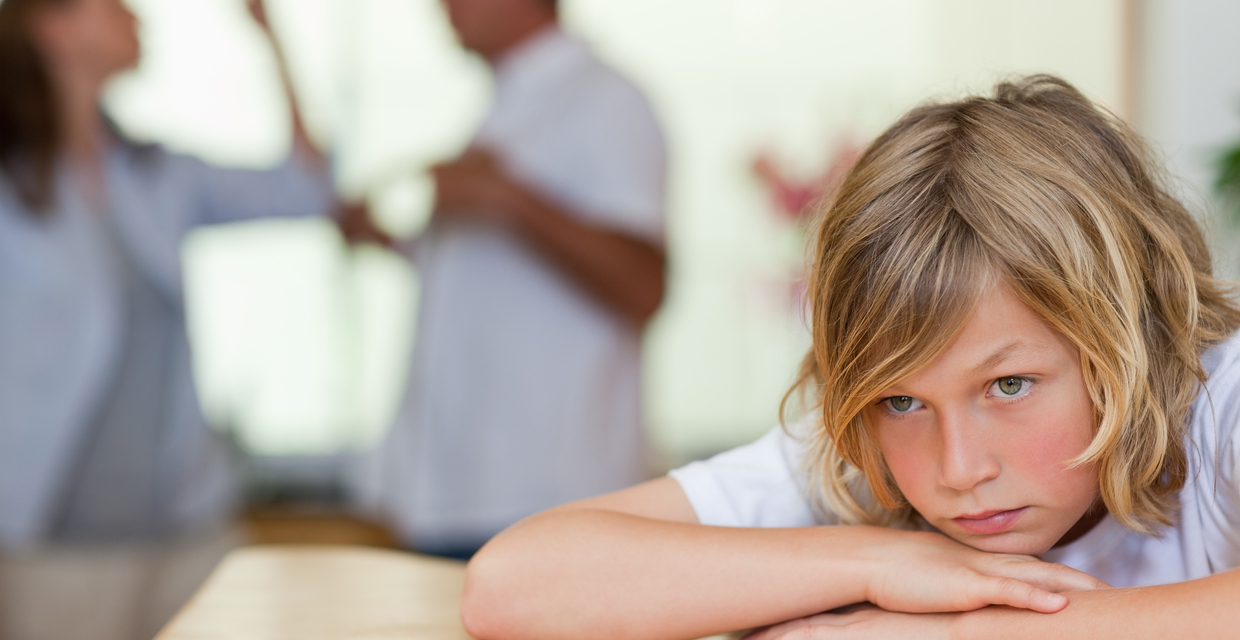
How Domestic Violence Affects Children

Domestic violence is a form of trauma, so when children have to live with it, it is a trauma that sticks with them for the rest of their lives.

Image result

Did you know that NICRO is a non-profit organisation committed to turning lives around? NICRO has a range of programmes that can help children who are affected by violence and are in need of help... click here to find out more, or do your part and donate today!

The effects of domestic violence change parts of their lives, like health, development and wellbeing. But how do we know if children are affected?

- They see violence against their mother / father / carer
- They hear violence happening in another room and feel the need to run or hide
- They have to be careful around the abuser to avoid angry outbursts
- They have to comfort siblings / carers who have been the victim of domestic violence
- They are victimised for taking sides
- They are encouraged to join in and participate in verbal abuse
- They are not cared for properly as their carer is not able to or their mental health does not allow them too
- They are abused too
- They are traumatised and scared of the attacker, even more so by the fact that they have to make contact with them frequently

Image result

Domestic violence can affect children in a number of different ways, here’s how it can affect them...

Development: Because of the constant violence, a child’s development is affected. They may start to act out and even start acting immature, this is often caused by their desire to be at a stage in their lives where they felt safe.

Behaviour: A child affected by domestic violence will act out, show aggression, and become hostile towards people. Just because children show these behaviours does not mean they have a disorder, it means they have been severely traumatised. Drug and alcohol abuse can also become a problem.

Relationships: Children may not spend a lot of time at home, and try find another secure place to be as their home feels unsafe. They will also struggle with being close to people and will push them away.

Emotions: Violence can affect children emotionally and physically. They will feel stressed out, worried, angry, sad, scared and anxious most of the time.

Health: Sickness can be attached to domestic violence. Headaches and stomach aches may become an everyday thing because of the constant yelling and feelings of stress and anxiety. Sleep disturbances, like nightmares and bedwetting can also come up.

Related image

Understanding that domestic violence causes trauma in a young child’s life is the first step to understanding and helping the children affected.

Wednesday, 23 November 2016

Virtual Reality Simulation Shows the Dangers of Drunk Driving

Every year thousands of people die in drunken driving accidents, and thousands more are injured. This short VR video shows exactly what it looks like.

We all know the popular alcohol brands – Guinness, Johnnie Walker and Smirnoff – Well, the creator decided to release a VR video on Facebook 360, Youtube 360, Google Cardboard, Oculus Rift, Samsung Gear VR and the HTC Vive.

Related image

So what happens in the video? There are three cars involved, one with a business woman inside, another with three friends going to a party and the last with new parents. Everything comes to a horrifying end when one driver makes a stupid decision to try pass a car in a no-passing zone.

The drunk driver is faced with an oncoming car and then swerves back into the other lane, hitting another car in the process. You will have to watch the VR video to find out what happens next...

It’s not clear if this simulation relates to everyone and actually works to scare people out of driving drunk, but studies showed that it changed majority of the viewer’s attitude after watching it.

Watch the VR video here...

Don't drink and drive this festive season - stay safe and drive responsibility!

NICRO is committed to turning lives around, contact NICRO today for a variety of programmes and services that aimed to help those in need. Try the Road Offenses Panel Programme designed specifically to improve awareness of the dangers and consequences of driving under the influence, as well as reckless and negligent driving.

Tuesday, 15 November 2016

Changing offender behaviour is key to reducing crime!

A recent Cape Times interview with Tracy Van der Westhuizen, an inmate serving time at Pollsmoor Prison for fraud, highlights the efforts by this female inmate to change her life around. Although she still has some time to go before potential release on parole, she is taking tangible steps towards rehabilitation. Her full rehabilitation can of course only be tested once she is free and facing the temptations that life in open society will bring. But she is well on the road to recovery and regaining her dignity.


South Africa has 242 prisons housing some 160,000 inmates, with an admission rate of approximately 25,000 and a monthly average of 23,000 releases. As Van der Westhuizen highlights, many of those admitted to prison have committed crime before, making support services during and post incarceration crucial.

Re-offending and recidivism are vexed questions – there is no direct research or analysis that gives us a plausible rate of recidivism in South Africa. Anecdotally it is said to be extremely high – with references to as high as 70%. What we do know is that many former prison inmates return to prison as a result of further convictions. NICRO’s experience with reintegration work demonstrates that often imprisonment acts as a ‘revolving door’ or as ‘universities of crime’ and that, notwithstanding the efforts of the Correctional authorities, not all inmates are rehabilitated.

It is for this reason that Tracy’s story is inspiring. Her story indicates that rehabilitation is a multi layered journey – inmates require psychological transformation – focusing on their emotional and cognitive functioning, as well as education and skills training. A different way of thinking, and an opportunity to work, is part of the ‘rehabilitation recipe’.

Tracy’s story also indicates another crucial factor in rehabilitation – and that is the support and love of family…. the confidence and love of her husband and children, and the amazing insight of her young daughter, provides her with the inspiration and incentive to do the difficult work of rehabilitation.

Prison is not an easy life – “it is not for sissies” –one has to develop strong coping skills to survive prison! Ironically these coping skills are the ones that will help you make it in open society.

National non-profit organisation, NICRO, is working successfully with incarcerated and released offenders to change behaviour and reduce the likelihood of recidivism.

NICRO has no doubt that perpetrators can change, and we are working hard to support inmates and released offenders to successfully reintegrate into society and turn away from crime.”

Chief Executive Director Soraya Solomon says “NICRO provides a range of tried and tested behavior change programmes and is facilitating successful social reintegration, which includes working with the offender’s family members. NICRO believes these services are crucial to achieving the goal of turning lives around and reducing recidivism.”

Society can assist in prisoner rehabilitation by supporting the efforts of former inmates to earn a living and become functioning members of their communities.

Wednesday, 9 November 2016

How can you Prevent Sexual Assault?

Every single one of us has the ability to look out for each other. Even the small things count, like giving someone a lift home from a party or standing up to someone who is behaving in a threatening way - anyone can help prevent sexual assault, even you!

What is a bystander?

A person who is present when an event, such as a sexual assault, takes place, but isn't involved is called a bystander. 

On average there are only 42,596 rapes reported in South Africa in 2015/16, which means that for every 100,000 people in the country there were 77 rapes reported. The majority of these crimes are committed by someone the victim knows.

This is why it is so important to realise that bystanders can play a part in preventing crimes like sexual violence.

What can you do to prevent sexual assault?

Have you ever heard of the term "bystander intervention"? This is when someone who isn't directly involved in the situation intervenes and tries to help. If you have the chance to step in and give the victim the chance to escape, do it. It really doesn't take much to make a big difference in someones life.

Choosing to step in can change the way those around you think, even if you are simply trying to help a friend who has had too much alcohol or one who is offended by a sexually offensive joke. 

So, why don't people help more often?

Well, it’s not always easy to step in, even if you know it’s the right thing to do. Some common reasons bystanders remain on the sidelines include:

Image result“I don’t know what to do or what to say.”

“I don’t want to cause a scene.”

“It’s not my business.”

“I don’t want my friend to be mad at me.”

“I’m sure someone else will step in.”

It is alright for you to have these reasons for not stepping in, but it is also important to keep in mind that what you do to help can have a big impact. In most situations you could stop a serious crime, such as sexual assault.

Your actions matter 

Whether or not you were able to change the outcome of the situation, by stepping in you are helping to change the way people think about their roles in preventing sexual violence. If you suspect that someone you know has been sexually assaulted, there are steps you can take to support that person.

Help someone you care about by introducing them to NICRO. At NICRO, they offer a variety of helpful programmes, such as the Perpetrator of Interpersonal Violence Programme and intensive therapy.

Wednesday, 2 November 2016

Violence against Women and Children

It is essential that we join as a nation and find a way to make our homes and communities safe for everyone, most of all - woman and children!

Image result

Physical, sexual, psychological, economical. These are all forms of violence against women. Violence against women violates human rights and essentially has serious results for women and for the community.

Studies show that violence against women and children is still a popular occurance that is often never reported or simply ignored. Victims of the violence are not properly supported by the law or public services. 

Insufficient specialised services for women and children who are victims of violence and the absence of professional services to victims is only a few of the reasons for non-reporting.

What can you do to help?

NICRO has a wide variety of services, including individual counselling, intensive therapy, adult life skills and even a Youth Empowerment Scheme (YES). NICRO is focused on helping others and turning lives around – contact NICRO today!

Thursday, 27 October 2016

The Link between Drugs and Crime

There has always been a link between crime and substance abuse. The crimes can be anything from drunk driving, assault, prostitution and robberies to domestic violence and even rape. The list can go on and on...

Image result

However, sometimes the link between substance abuse and criminal activities can be a difficult one to understand. Is it drugs and alcohol that leads to crime or is it crime that leads to drug and alcohol abuse? Is it possible for someone who is not on drugs to decide to assault someone? Will someone who is not abusing alcohol engage in domestic violence?

Statistics show us that most people who use drugs and alcohol do not become addicts, they usually grow out of this phase and move on with their lives. But, there are cases where individuals who use too much will commit crimes, and it is true that these two factors are linked.

So, why is there such a strong connection between serious drug and alcohol use and criminal activities? It might be because the user has a decreased perception of social support and decreased social network. Other things that influence someone to turn to substance abuse and crime are poor living conditions, mental health, family and unemployment.

Alcohol and Crime

Alcohol is illegal to consume if you are the right age, but it causes so many violent crimes! A recent study showed that 1 in 5 people arrested by the police will test positive for alcohol. Alcohol is a factor in:

-- 60% of homicides
-- 75 % of stabbings
-- 70 % of beatings
-- 50 % of fights and domestic assaults

Image resultDrugs and Crime

Taking illegal drugs is a crime in almost all of the countries around the world, and it is almost always related to criminal activities.

However, a research shows that most drug users do not usually go on to commit crimes such as assault or robbery. Basically, this is saying that drug use is not necessarily linked to crime, even with people who have developed a serious addiction.

But, there is some link between those who do commit crimes and drug use. Assault, rape and violent acts are often linked to someone who is a heavy drug user, a lot of robberies are committed to support drug use!

There is a bit of fuzziness around why some substance abusers commit crimes and others don't. Factors like poverty, personality disorders and having been in prison previously are just some of the factors.

Drug Use and Prostitution
Image resultNaturally, drug use is linked to prostitution, especially street prostitutes. Estimates reveal that between 40 and 85 per cent of all prostitutes are drug users. Many prostitutes, men and women, are selling sex to support their drug habits. Prostitutes are often the victims of violent crimes, rapes, assaults and other serious crimes; but, because of their lifestyle and the work they do, they are unreported crimes. 

There’s no question that the relationship between drug use and crime is a causative one; drug abuse and criminal behaviour go hand-in-hand. 

NICRO is committed to turning lives around. If you fear that a loved one is involved in drugs or crime, do not hesitate to contact NICRO today! 

Wednesday, 19 October 2016

5 Most common drugs used by Teens

It is not uncommon for teens and young adults who use drugs or drink heavily to eventually turn into addicts!

If you or someone you know needs help in fighting drug abuse, there are a number of organisations ready to assist... Do not hesitate to contact NICRO, where a selection of help programmes are on offer, including the Adolescent Substance Abuse Prevention Treatment ADAPT.

Take a look at the 5 most commonly abused drugs by teens...

     1.       Alcohol

Image result

Just because you allow your underage kid drink, and you see no harm in it, does not mean it is okay!

There are studies that show that children who start drinking before the age of 15 years are four times more likely to become alcoholics later in life. 

Teens that drink alcohol are more likely to experience...

-- Problems at school; bad grades
-- Fighting with friends and not joining in on activities
-- Running into trouble with the law
-- Illnesses
-- Unsafe sex, sometimes with someone they don't know
-- Disruption of physical and mental growth
-- Physical or sexual assault
-- Self-destructive or suicidal tendencies
-- Reckless, dangerous behaviour that could hurt the people around them
-- Short-term memory problems
-- Brain development issues that can affect them for the rest of their lives
-- Death by alcohol poisoning or accident
-- Traffic accidents and fatalities
-- Use of other drugs - cocaine, marijuana, ecstasy, heroin

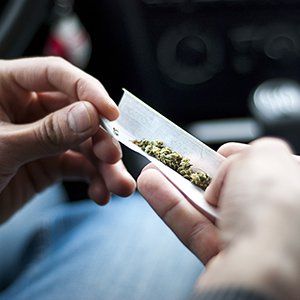
     2.       Marijuana

Image result

Did you know, Marijuana is the most used illegal drug on the planet?

Read these interesting facts about Marijuana and you may think twice about using it...

-- The active ingredient of cannabis is the chemical THC. The chemical THC is found in marijuana, it can stay inside your body for months or even years. It is also know to damage your immune system.
-- Heavy marijuana can cause brain abnormalities and brain damage.
-- Everyone knows that Marijuana can get you high, but it can also do the opposite and make you feel depressed, paranoid, and psychotic.
-- Even small amounts of marijuana can cause infertility in men and women.
-- Marijuana smoke is more likely to cause cancer than regular cigarette smoke.
-- Young people using marijuana are more likely to start using harder drugs. In fact, over 99% of cocaine users used marijuana first.

     3.       Tobacco

Image result

Most teens smoke cigarettes because they think it is "cool." But, how can they be "cool" if they cause cancer, heart disease and can lead to using other drugs.

Here are some interesting facts about Tobacco...

-- Teens who start smoking at a young age are more likely to use other dangerous substances, such as cocaine and marijuana.
-- Over half of the youth who started smoking before age 15 went on to use illicit drugs in their life.
-- The earlier a person starts using tobacco, the more likely it is that they will become an addict later on in life.
-- Those who have become heavy smokers are more likely to use alcohol and then become alcoholics.

     4.       Prescription Drugs

Image result

Young people continue to think that prescription drugs are safe to use because of the fact that you can get them at the doctor or pharmacy.

In the end, prescription drugs are just as dangerous and come in different strengths and combinations.

According to a recent study, 21% of grade 12 learners have abused...

-- Adderall
-- Ritalin
-- Cough mixture
-- Tranquilizers
-- Amphetamines
-- Painkillers

     5.       Hallucinogens

Image result

It's not the 60s anymore so you may think kids these days aren't looking to trip out. But you would be surprised to know that drugs such as LSD, acid and ecstasy are still very popular.

A teenagers brain is still developing, this is why hallucinogens are so dangerous. They change how young people see the world, develop feelings and opinions and they kill brain cells.

In films and TV series, we see people who take LSD, feel extremely euphoric and happy, with beautiful hallucinations. BUT LSD can also create a "bad trip" which causes feelings of fear, terror and insanity!

The “love drug” (ecstasy) can cause kids to make unwise decisions about sex while under the influence of the drug. It can lead to unprotected sex, to disease (STDs), and to unplanned pregnancy with an unknown partner.

Being honest with teens about the effects and dangers of drugs can help them make the right life choices.

It may seem hard or weird to talk to them about drugs, but kids ten-years-old and younger get offered drugs, and they certainly see drug use on TV, in movies, and on the internet.