Showing posts with label NICRO programmes. Show all posts

Thursday, 8 December 2016

The Signs of Nursing Home Abuse

Image resultAbuse is a serious issue and when it comes to the elderly, you'd be surprised how often they are the victims. Why? Because they are the least likely to fight back!

Physical abuse is the act of hurting someone physically. This could mean hitting, punching or kicking someone, or it could mean neglect and lack of care.

Sexual abuse is the act of giving someone sexual attention that they do not want. This is a problem in nursing homes as the elderly often cannot defend themselves.

Psychological abuse is the act of screaming, shouting or humiliating someone to the point where they feel shame.

Financial abuse is the act of taking advantage of someone’s financial matters, such as stealing. This could be by directly stealing from them or stealing from their bank account.

Signs of nursing home abuse may include:

-- Broken bones or fractures
-- Bruising, cuts or welts
-- Bed sores
-- Frequent infections
-- Signs of Dehydration
-- Mood swings and emotional outbursts
-- Reclusiveness or refusal to speak
-- Refusal to eat or take medications
-- Unexplained weight loss
-- Poor physical appearance or lack of cleanliness
-- Changes in mental status
-- Caregivers that do not want patient to be left alone with others

Signs like these should be investigated, even if a person has not been the victim of nursing home abuse, it is better to be safe then sorry!

Image result


NICRO is committed to turning lives around. Visit the NICRO website and browse through the available programmes and services. Or do your part and make a donation today!

Tuesday, 15 November 2016

Changing offender behaviour is key to reducing crime!

A recent Cape Times interview with Tracy Van der Westhuizen, an inmate serving time at Pollsmoor Prison for fraud, highlights the efforts by this female inmate to change her life around. Although she still has some time to go before potential release on parole, she is taking tangible steps towards rehabilitation. Her full rehabilitation can of course only be tested once she is free and facing the temptations that life in open society will bring. But she is well on the road to recovery and regaining her dignity.


South Africa has 242 prisons housing some 160,000 inmates, with an admission rate of approximately 25,000 and a monthly average of 23,000 releases. As Van der Westhuizen highlights, many of those admitted to prison have committed crime before, making support services during and post incarceration crucial.

Re-offending and recidivism are vexed questions – there is no direct research or analysis that gives us a plausible rate of recidivism in South Africa. Anecdotally it is said to be extremely high – with references to as high as 70%. What we do know is that many former prison inmates return to prison as a result of further convictions. NICRO’s experience with reintegration work demonstrates that often imprisonment acts as a ‘revolving door’ or as ‘universities of crime’ and that, notwithstanding the efforts of the Correctional authorities, not all inmates are rehabilitated.

It is for this reason that Tracy’s story is inspiring. Her story indicates that rehabilitation is a multi layered journey – inmates require psychological transformation – focusing on their emotional and cognitive functioning, as well as education and skills training. A different way of thinking, and an opportunity to work, is part of the ‘rehabilitation recipe’.

Tracy’s story also indicates another crucial factor in rehabilitation – and that is the support and love of family…. the confidence and love of her husband and children, and the amazing insight of her young daughter, provides her with the inspiration and incentive to do the difficult work of rehabilitation.

Prison is not an easy life – “it is not for sissies” –one has to develop strong coping skills to survive prison! Ironically these coping skills are the ones that will help you make it in open society.

National non-profit organisation, NICRO, is working successfully with incarcerated and released offenders to change behaviour and reduce the likelihood of recidivism.

NICRO has no doubt that perpetrators can change, and we are working hard to support inmates and released offenders to successfully reintegrate into society and turn away from crime.”

Chief Executive Director Soraya Solomon says “NICRO provides a range of tried and tested behavior change programmes and is facilitating successful social reintegration, which includes working with the offender’s family members. NICRO believes these services are crucial to achieving the goal of turning lives around and reducing recidivism.”

Society can assist in prisoner rehabilitation by supporting the efforts of former inmates to earn a living and become functioning members of their communities.

Wednesday, 9 November 2016

How can you Prevent Sexual Assault?

Every single one of us has the ability to look out for each other. Even the small things count, like giving someone a lift home from a party or standing up to someone who is behaving in a threatening way - anyone can help prevent sexual assault, even you!

What is a bystander?

A person who is present when an event, such as a sexual assault, takes place, but isn't involved is called a bystander. 

On average there are only 42,596 rapes reported in South Africa in 2015/16, which means that for every 100,000 people in the country there were 77 rapes reported. The majority of these crimes are committed by someone the victim knows.

This is why it is so important to realise that bystanders can play a part in preventing crimes like sexual violence.

What can you do to prevent sexual assault?

Have you ever heard of the term "bystander intervention"? This is when someone who isn't directly involved in the situation intervenes and tries to help. If you have the chance to step in and give the victim the chance to escape, do it. It really doesn't take much to make a big difference in someones life.

Choosing to step in can change the way those around you think, even if you are simply trying to help a friend who has had too much alcohol or one who is offended by a sexually offensive joke. 

So, why don't people help more often?

Well, it’s not always easy to step in, even if you know it’s the right thing to do. Some common reasons bystanders remain on the sidelines include:

Image result“I don’t know what to do or what to say.”

“I don’t want to cause a scene.”

“It’s not my business.”

“I don’t want my friend to be mad at me.”

“I’m sure someone else will step in.”

It is alright for you to have these reasons for not stepping in, but it is also important to keep in mind that what you do to help can have a big impact. In most situations you could stop a serious crime, such as sexual assault.

Your actions matter 

Whether or not you were able to change the outcome of the situation, by stepping in you are helping to change the way people think about their roles in preventing sexual violence. If you suspect that someone you know has been sexually assaulted, there are steps you can take to support that person.

Help someone you care about by introducing them to NICRO. At NICRO, they offer a variety of helpful programmes, such as the Perpetrator of Interpersonal Violence Programme and intensive therapy.

Wednesday, 19 October 2016

5 Most common drugs used by Teens

It is not uncommon for teens and young adults who use drugs or drink heavily to eventually turn into addicts!

If you or someone you know needs help in fighting drug abuse, there are a number of organisations ready to assist... Do not hesitate to contact NICRO, where a selection of help programmes are on offer, including the Adolescent Substance Abuse Prevention Treatment ADAPT.

Take a look at the 5 most commonly abused drugs by teens...

     1.       Alcohol

Image result

Just because you allow your underage kid drink, and you see no harm in it, does not mean it is okay!

There are studies that show that children who start drinking before the age of 15 years are four times more likely to become alcoholics later in life. 

Teens that drink alcohol are more likely to experience...

-- Problems at school; bad grades
-- Fighting with friends and not joining in on activities
-- Running into trouble with the law
-- Illnesses
-- Unsafe sex, sometimes with someone they don't know
-- Disruption of physical and mental growth
-- Physical or sexual assault
-- Self-destructive or suicidal tendencies
-- Reckless, dangerous behaviour that could hurt the people around them
-- Short-term memory problems
-- Brain development issues that can affect them for the rest of their lives
-- Death by alcohol poisoning or accident
-- Traffic accidents and fatalities
-- Use of other drugs - cocaine, marijuana, ecstasy, heroin

     2.       Marijuana

Image result

Did you know, Marijuana is the most used illegal drug on the planet?

Read these interesting facts about Marijuana and you may think twice about using it...

-- The active ingredient of cannabis is the chemical THC. The chemical THC is found in marijuana, it can stay inside your body for months or even years. It is also know to damage your immune system.
-- Heavy marijuana can cause brain abnormalities and brain damage.
-- Everyone knows that Marijuana can get you high, but it can also do the opposite and make you feel depressed, paranoid, and psychotic.
-- Even small amounts of marijuana can cause infertility in men and women.
-- Marijuana smoke is more likely to cause cancer than regular cigarette smoke.
-- Young people using marijuana are more likely to start using harder drugs. In fact, over 99% of cocaine users used marijuana first.

     3.       Tobacco

Image result

Most teens smoke cigarettes because they think it is "cool." But, how can they be "cool" if they cause cancer, heart disease and can lead to using other drugs.

Here are some interesting facts about Tobacco...

-- Teens who start smoking at a young age are more likely to use other dangerous substances, such as cocaine and marijuana.
-- Over half of the youth who started smoking before age 15 went on to use illicit drugs in their life.
-- The earlier a person starts using tobacco, the more likely it is that they will become an addict later on in life.
-- Those who have become heavy smokers are more likely to use alcohol and then become alcoholics.

     4.       Prescription Drugs

Image result

Young people continue to think that prescription drugs are safe to use because of the fact that you can get them at the doctor or pharmacy.

In the end, prescription drugs are just as dangerous and come in different strengths and combinations.

According to a recent study, 21% of grade 12 learners have abused...

-- Adderall
-- Ritalin
-- Cough mixture
-- Tranquilizers
-- Amphetamines
-- Painkillers

     5.       Hallucinogens

Image result

It's not the 60s anymore so you may think kids these days aren't looking to trip out. But you would be surprised to know that drugs such as LSD, acid and ecstasy are still very popular.

A teenagers brain is still developing, this is why hallucinogens are so dangerous. They change how young people see the world, develop feelings and opinions and they kill brain cells.

In films and TV series, we see people who take LSD, feel extremely euphoric and happy, with beautiful hallucinations. BUT LSD can also create a "bad trip" which causes feelings of fear, terror and insanity!

The “love drug” (ecstasy) can cause kids to make unwise decisions about sex while under the influence of the drug. It can lead to unprotected sex, to disease (STDs), and to unplanned pregnancy with an unknown partner.

Being honest with teens about the effects and dangers of drugs can help them make the right life choices.

It may seem hard or weird to talk to them about drugs, but kids ten-years-old and younger get offered drugs, and they certainly see drug use on TV, in movies, and on the internet.

Wednesday, 5 October 2016

South Africa's Top Drugs

Drugs may bring joy and euphoria for a free fours, but what happens after can be compared to a living hell. It can happen as quick as a flash, but it will ruin the rest of your life.

A recent study showed that about 15% of South Africans suffer from drug abuse. Even though people in SA are using the same drugs as people across the world, there are a few substances that are a bit more popular than others...

MARIJUANA

Image result

This is by far the most used drug on SA’s streets. It is a shock to many that it totals over 60% of cases involving drug abuse. Marijuana is still illegal in South Africa, but some health experts have tried to legalize it for medicinal use.

Street names: Dagga, weed, pot, boom, ganja
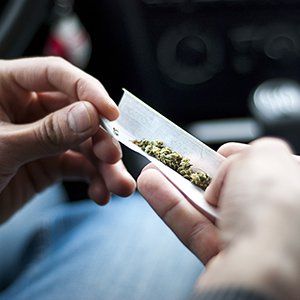
What does it look like? Leaves that are dried and sold in bags, often called “bankies”. Some dealers sell ready-made joints of marijuana which are ready to smoke.
Effects: The effects are different to every person, but in most cases it causes the user to feel extremely relaxed, often leading to laziness and extreme hunger. Depending on the strength of the marijuana, some users also experience mild hallucinations.
Long-term results: Changes in personality, moodiness, difficulty concentrating and possible damage to the brain and lungs.

MANDRAX

Image result

SA is actually the largest abuser of Mandrax (known as Quaalude) in the world. According to a recent study, a mix of Madrax and marijuana is the ideal drug of choice in SA.

Street names: White pipe, buttons, MX
What does it look like? It is sold in pill or tablet form and usually has a unique emblem. It also varies in colour.
Effects: It is often mixed with marijuana to amplify the effects of smoking marijuana.
Long-term results: Poor liver function, anaemia, chronic headaches, depression and insomnia.

NYAOPE

Image result

This drug has been popular on the streets since the year 2000. No one really knows what it contains, but most times it includes cannabis, meth and heroin. 

Street names: Whoonga, wunga
What does it look like? It is bought in powder form, mixed with marijuana and smoked.
Effects: Short term effects of euphoria and relaxation.
Long-term results: Insomnia, scarred veins, liver and kidney disease and mental breaks.

CODEINE

Image result

Codeine is an ingredient found in cough mixtures, sinus medication and painkillers. Most blame the abuse of codeine on the fact that SA still sells codeine based products without any prescription.

Street names: Syrup, purple drank, cody, sizzurp, lean
What does it look like? Cough syrup, anti-allergy, sinus tablets and certain painkillers.
Effects: Codeine usually causes euphoria.
Long-term results: blurry vision, nausea, insomnia and joint pain.

COCAINE

Image result

Originally used as a painkiller, cocaine has become a highly addictive recreational substance.

Street names: Coke, crack, C, snow, blow, bump, Charlie, line, Llelo
What does it look like?  Powder form and crystal form. The powder is snorted and the crystal is smoked.
Effects: The effects happen instantly, but only last a short period of time. They range from euphoria, high energy, alertness and self-confidence. However negative effects include aggression, headaches and insomnia.
Long-term results: Loss of sense of smell, nosebleeds, difficulty swallowing, deviated septum, dramatic weight loss and loss of appetite.

AMPHETAMINES

Image result

Also known as “uppers” amphetamines speed up the messages travelling between the brain and the body. A dangerous, addictive form of amphetamines is Crystal Meth.

Street names: Ice, tik, speed, crystal
What does it look like? The appearance is difference depending on the quality of the drug. It will often look milky or yellow if it is low quality. Sometimes they are also sold as tablets.
Effects: Happiness, confidence, non-stop talking and increased heart rate.
Long-term results: Psychosis including paranoia, hallucinations, memory loss, mood disorders, aggression and impaired motor skills.

ECSTASY

Image result

Although people rarely overdose on ecstasy or the pure form of it (MDMA), there has been incidents of contaminated pills making there way onto the market. These tablets can contain dangerous substances like rat poison or even cyanide!

Street names: Molly, love drug, Adam, Eve, beans, XTC
What does it look like? It is usually sold in tablet form with a unique picture engraved on each tablet. They also come in multiple colours.
Effects: Increased heart rate, jaw clenching, dry mouth, loss of appetite, high energy. Because Ecstasy makes your energy levels sky rocket, users often suffer from overheating and exhaustion.
Long-term effects: Brain damage, learning and emotion, depression, anxiety, kidney failure, convulsions and psychosis.

HEROIN


In the 1980s, heroin was an unknown drug in South Africa. However, it quickly gained popularity in SA's schools and rapidly infiltrated the system.

Street names: Smack, H, junk, hairy, harry, white
What does it look like? Powder form or as a liquid.
Effects: The effects of the drug are often unpredictable, which is why it often leads to overdoses. The user will experience intense relaxation and a trance-like state.
Long-term results: The drug relaxes the muscles, so in many cases it leads to the users heart stopping.

If you or someone you know needs help in fighting drug abuse, there are a number of organisations ready to assist... Do not hesitate to contact NICRO, where a number of programmes are on offer, including the Adolescent Substance Abuse Prevention Treatment ADAPT.

Friday, 19 August 2016

I’m Raising my Baby in Prison

New mother Keisha is a natural as she attends to her baby son Jack. The mother-son bond is clearly secure and loving.

On the surface of it, little Jack’s surroundings are pretty idyllic. He has a comfortable cot, stimulating toys and a pram for walks.


Outside is a well-kept green lawn with colourful playground equipment. There are other mothers and babies nearby, an indoor play area and he undergoes his regular infant checks by health workers. To Jack, the world looks pretty good. And yet in truth his environment is anything but typical. For Keisha, 22, and Jack are living within the secure confines of Jacaranda Cottages mothers and babies unit at Emu Plains Correctional Centre in Sydney’s west.

While some may flinch at the idea of a baby living in prison, the alternative – a newborn being separated from their mother, even if circumstances are safe for them to be together – is arguably worse.

Being imprisoned as a new mother still has its challenges, such as having no freedom or autonomy and being constantly monitored by government departments, but it’s also an opportunity for inmates to take part in parenting programs and build an important bond with their baby.

At Jacaranda Cottages, babies and young children up to school age can live with their mum while she serves her sentence.

Here Keisha, who began taking drugs after falling in with the wrong crowd as a teenager, tells  what her life is like in jail and how the experience is shaping her future.

“My life is good at Jacaranda Cottages because I have been able to bond with my newborn son,” she says. “I was lucky to get onto the program as obviously there are some inmates who don’t meet the criteria. My daily routine is just like any other mother apart from having a head check (a headcount to ensure all inmates are present) at 6.30am. I then prepare my son’s day and the Mothers and Children’s program runs groups that we must attend, including parenting courses, art therapy and playgroup," she says.

“I get constant support from staff and other inmates too. When I was pregnant I had pre-natal checks and after Jack was born at the local public hospital under the guard of a prison officer, my family came down and stayed in a hotel in the area. This enabled them to meet my child and also gave me comfort of having them around at this special time.

If I hadn’t been able to keep Jack with me the alternative would have been for my baby to be cared for by my sister who is completing a nursing degree. She would have had to put her studies on hold until I was released.

I’ve been able to address my drug abuse issues while I serve my sentence and I feel confident when I am released that I will be a good mother and citizen.


Now I’m looking forward to getting back into the community. I’m going to create a positive future for myself and my son. I’m planning to do a TAFE course in business and I hope to bring my child up to be a fine young man.”

It wasn't until after Keisha was convicted of drug charges she learned she was pregnant. Inside Australian prisons life isn’t so bad for mother and child, but this isn’t always the case in different countries.


If you or a loved one is pregnant and has been charged with a criminal offense, arrested, etc. Contact NICRO right away to get help!

Friday, 5 August 2016

Visit to NICRO Mpumalanga on 27 July 2016

NICRO Nelspruit office had the privilege to receive Ms. Carol van der Rheede (General Manager and Community Engagement) and Mr. Wonga Tola (Student Support and Community Engagement Administrator) of the HCI Foundation for a visit on the 27th of July. 

HCI Foundation’s primary focus is on promoting education and skills development in South Africa. HCI supports the youth development and empowerment services of NICRO through our youth life skills programme, named YES (Youth Empowerment Scheme).

They engaged with the Area manager, Claudine Maré and Nelspruit Supervisor, Nomagugu Dube as well as 5 of our young beneficiaries during the visit. It was a privilege to share NICRO’s successful implementation of not only our YES programme, but also the variety of our youth Diversion programmes. These programmes are utilised on a psycho-educational and therapeutic level as to empower and create change in the lives of young people that are in conflict with the law, or displaying high risk behaviour. The process of Diversion in line with the Child Justice Act 38/2005 when the magistrate courts refer youth to NICRO was explained as well as NICRO’s direct engagement with local schools and families.

Our visitors experienced the meeting with 5 of the young boys that attended both our YES programme as well as Journey programme (a nature-based therapeutic camp) very positively. The boys shared what they learned through the NICRO programmes – such as how to communicate better, deal with one’s anger, being able to work within a team and changing their lives for the better. They all have positive plans for the future and experienced that NICRO assisted them in learning how to refrain from crime and make positive decisions for a better, brighter future.


Thursday, 7 July 2016

Shoplifting, Stealing, and Theft: A First Time Offense

Just about anything and everything can be shoplifted, from jewellery, alcohol and cheese to medicine and cleaning products. There is no specific item that is shoplifted, however there is always a price to pay.


Shoplifting is a complicated crime though, and because of this, if you are caught shoplifting you should always contact your lawyer and work with them to solve the problem:

1. What is the value of the item or items that you stole?

2. Were you intoxicated when the incident occurred?

3. Do the items indicate that you have a drug problem?

4. Did you involve others in a plan to steal the items? If so, how many people? Were any of them minors, people with mental health issues, people with developmental disabilities, or people who were elderly?

5. Were you stopped by a security officer or store merchants who tried to recover the items? What happened as a result of that interaction?

6. Were you caught on videotape, or on another type of recording device, such as audio tape?

7. What is your criminal history?

8. Can you pay back the merchant right away? This may encourage them to decline to testify against you.

Even if this is your first offense, you can be charged with a felony. For example, if you have stolen a 24-karat gold chain, or a child was involved in the act, you will not be offered the same plea bargain as a person alleged of slipping a pack of mints into their pocket.

The first thing you should do is ask your attorney to talk to the merchant. See if the merchant will accept payment in return to drop the charges. Have you been charged with a criminal offence? Let NICRO help you out during this tough time, we can offer a wide range of services to you, just click here.

You may be offered the chance to participate in a NICRO diversion programmme. A diversion programmme is a type of plea bargain. In this program, you usually complete community service hours and pay the court a fine. You are also instructed not to commit another alleged offense for a set period.
If you get a second charge, especially for shoplifting, it is extremely unlikely that you will get a second chance to participate in a diversion program.

If the public prosecutor or judge decides not to offer you the chance to participate in a diversion program, you need to decide whether you want to challenge the accusations in a trial or take a plea bargain. If you were intoxicated at the time of the incident, or the items that you took indicate that you have a drug problem, consider contacting NICRO to take part in one of their many helpful programmes or seek help from a counsellor. The charges may be dropped if you are taking action to avoid a similar situation.

Tuesday, 5 July 2016

The Dangers of Reckless Driving

Reckless driving is a serious crime which happens when a driver doesn't follow the regular rules of the road, often resulting in a car accident.

It does not only mean driving under the influence of drugs and alcohol, but also driving carelessly and improperly. Reckless driving also includes driving while trying to text, eat, drink or reach something.

In order to avoid reckless driving, you need to take the time to be careful and follow all the necessary rules of the road.


Never ever drive while you are distracted. You cant pay attention to your cellphone, a child screaming in the backseat or your cheeseburger all at the same time! It is against the law to chat on your cellphone while you are driving a car, why? Because every year it causes millions of fatal accidents and serious injuries.

Despite the fact that you will be seriously punished if you are caught driving recklessly, people still do it everyday... A lot of drivers choose to ignore the rules of the road and continue to drive unsafely.

Speeding, weaving in between traffic, drinking and driving, tailgating and distracted driving are all common types of reckless driving. Every single one of these things can cause a serious car crash.

A number of people including pedestrians, cyclists, motorists and passengers in other vehicles can be involved and stand a high chance of being affected by reckless driving. No one is safe since a reckless driver can even crash into the side of a building or someone's home and cause property owners to suffer the consequences.

Road accidents generally can bring serious medical injuries, like getting permanent fractures on any part of the body, excessive blood loss leading to death, emotional trauma, broken bones, spinal cord injuries and infection.

When a reckless driver causes an accident or hits an innocent pedestrian, they pay the full price.

NICRO is committed to turning lives around, why not do your part and donate or contact NICRO today!

Friday, 1 July 2016

Ending the Epidemic of Youth Gun Violence

Something that occurs amoungst our youth more often than it should is the issue and violence and gun violence. Over the last decade or so, the world has seen more and more mass shootings, with tragedies happening on a daily basis.


We know that teens love to live on the edge. The reason they love dangerous and risky behaviour all goes back to their developing brain, peer pressure and their longing feeling to belong to something. In the past no one really took it serious, often saying "kids will be kids", but as time goes by we see that this type of violent behaviour has become more of a common thing that is causing havoc in our communities.

The key to understanding the situation, may be the fact that illegal guns and weapons are becoming more and more easy to obtain, causing fights and confrontations to turn into fatal acts. Back in the earlier years, fist fights would rarely ever result in deaths, but with guns so easily available, each time a violent episode occurs a young person's life could be ruined forever.

The sadness and grief that families feel when they have lost a loved one cannot even be imagined by those have never experienced it. However the victim's family is not the only ones who are effected. The criminal's family have lost a life that could have been great, without jail time, but because of gun violence it has become a lifelong punishment.

So what can we do to stop this bleeding from youth violence and homicide?

The prime time for the youth to commit violent acts is after school and usually before midnight. In the hours after school, there is enough time for a teen to take drugs, drink alcohol, engage in gang activity and commit violent acts.

The insulation afforded by today's interpersonal communication channels, such as texting and social media, also likely carries over to the realm of violence. Having to injure someone by hand may make the situation real; having a gun to psychologically distance one’s psyche from the consequence may make pulling the trigger easier in times of boredom and hopelessness.

Getting teens into programs that don't offer unstructured free time, where they can be active with adult supervision and exposed to positive adult role models, may help mind the gap during the high-risk time of day. NICRO is a non-profit organisation committed to turning the lives of our youth around. NICRO offers a variety of services and programmes that deal with young offenders and parents who are in need of some help.

Funding NICRO and these types of programmes may be a quicker step. Starting youth into these programmes before they have gone down a road of violent behaviour has the best chance of keeping them on the straight and narrow. As has been stated by others, it is easier and less expensive to build a child than to rebuild a teen who has strayed into high-risk and violent behaviour.


Society must, to some degree, take on the role of collective parenting, with each member taking some responsibility for supporting all of our children, not just the ones who live in our own house. A return to the models of old might just have some new outcomes.

Youth should not be ending up in graves or prison cells. They have so much talent and promise to bring to society, as well as energy and excitement that when properly channelled, could guide the future in a positive way.

Thursday, 16 June 2016

From Taking a Life to Saving Lives


Xavier McElrath-Bey grew up surrounded by gangs. Even though he was still a young elementary school child he knew what places and streets to avoid and he knew to stay away from gang territory. 

His family life was tough. He and his siblings often went hungry and they were placed in foster care at 6 years old. His foster care life wasn't any better than his original family, as he was beaten and abused. 

After a few years they returned to their mother, unfortunately her boyfriend would beat her and the children. This was when Xavier joined his surrogate family, his gang, the Latin Kings.

“It’s not like you wake up and say, ‘I want to become a gang member because my mom or my dad is abusing me. There is a certain level of insecurity and feeling unsafe. You want to connect with a group.”

“You want to empower yourself, not to mention you want to have someone that you feel connected with when you come from a home environment where there’s a lot of neglect and abuse.”

Xavier began becoming involved in crimes - armed robberies, weapons violations, aggravated batteries and assaults. By the time he was only 13 years of age, he had been arrested a shocking 19 times and gone to juvenile facilities seven times!

The incident happened in October 1989 when Xavier was just 13 years old. He and the Latin Kings lured a rival gang member into a vacant building and fatally beat and stabbed him. The victim was only 14 years old.

Xavier was arrested two weeks later and received a sentence of 25 years.

“When you’re a kid, you really just live for the moment; you know you’re caught up in a daily struggle for survival in that prison system: What’s going to happen in the yard? Is there going to be a riot?” McElrath-Bey said.

After being moved to a maximum-security prison for adults at only 17, Xavier began to change his thinking for the better. 

He often watched TV shows liked "Saved By the Bell" and wondered what his life would be like if he never made the mistakes he had made. 

From there, his life changed. He decided to get enrolled in school and be as he would have been in free society had he never been arrested. 

Xavier thought about simple freedoms like being able to walk to your own refrigerator or stepping outside to smell the grass. “That becomes like a fantasy world because in prison your concept of a free society is like that of heaven,” he said.

He worked toward his goals while still in prison, earning a bachelor’s degree in social science (with a 4.0 GPA) in 1999 at a prison in Galesburg, Ill., where the Chicago-based Roosevelt University offered courses.

In his mind’s eye, the former gang member said, he continually returned to that October night in 1989 — and has often thought about the victim and the dead boy’s mother.

“I think about the fact that he was no different from me. He was a kid who grew up with a troubled life in a poor family,” McElrath-Bey said. “That could have very well easily been me. That could have been my mother mourning, so I just think about his loss and what that really meant and how tragic it really was because it was based upon this false illusion of us and them.”

For McElrath-Bey, freedom came at last in 2002 after he served 13 years in prison.

He wasted no time making up for the lost years of his youth.

As a newly released 26-year-old, he took a job at Starbucks and soon enrolled part-time at Roosevelt, where he earned a Master of Arts degree in human services in 2006.

McElrath-Bey stayed close to the justice system in a decade-long series of jobs — but on the right side of the law this time.

He served from 2003 to 2006 as a “ceasefire outreach worker” for the Chicago-based Alliance of Local Service Organizations, helping at-risk youth through case management, home visits and referrals; providing crisis intervention and assistance to gunshot victims at a hospital; and helping organize annual peace walks.

McElrath-Bey went on to work for Catholic Charities of the Chicago Archdiocese, specializing in gang intervention and providing services to at-risk youth and families living in bad neighbourhoods, like where he grew up.

He then worked for the Chicago-based non-profit Alternatives Inc. with youths referred by the juvenile justice system.

At the Northwestern Juvenile Project, part of Northwestern University’s Feinberg School of Medicine, where he spent more than five years, McElrath-Bey conducted interviews with more than 800 participants in a longitudinal study of the mental health needs of formerly incarcerated youth.

This month, McElrath-Bey, 38, began working in his new role as a youth justice advocate at the Campaign for the Fair Sentencing of Youth.

In the Chicago-based job, he will advocate for reforming the juvenile justice system, particularly by eliminating extreme sentencing of youngsters, and try to dispel stereotypes.

“What I intend to do,” McElrath-Bey said, “is share about my life and change the face of formerly incarcerated youth — have people understand that these are not a bunch of monsters.


“They’re not a bunch of incorrigible super-predators but in fact these kids have great potential for positive change, and not only am I an example of that, but I know so many other individuals who have made such tremendous change and are great models to look at and say, ‘You know what, there is hope.’ So much is giving them an opportunity and chance. There truly is hope for these guys to reform their lives.”

Do your part in making a change, contact NICRO today or browse through to website to view the wide range of different services and programmes!

Friday, 10 June 2016

There are always two sides to bullying

There are always two sides to a story, just like there are always two sides to bullying. The victim being bullied and the bully. No matter who is involved, there are deeper reasons why the bully has decided to be a bully, this then effects the victim and results in them feeling physically and emotionally hurt.

This is a serious issue these days, especially in schools. Bullying can lead to violence and crime in later years.

The Bully

Bullies aren't always in the same situation, an unpleasant and poor home environment can't always be to blame. There are other things that can make someone turn into a bully, some of the time these are never recognized.

When parents find out their child is a bully, some of them will try to take control of the situation. If the problem is that the child cannot control their anger, then the parent can take action and help.


On the other hand, some bullies are the way they are because they do in fact have an unpleasant home environment and telling the parent will do nothing to improve the situation. When this happens, the school must take charge and arrange a way to consult and help the child.

The Bullied

When a child is bullied they feel hurt and alone, being bullied can also lead to some other problems down the line (depression, anxiety, stress). This may come as a shock, but it is the students who are bullied and pushed to a breaking point that use violence in order to make the bullying stop.

It would be beneficial for the child if their parents showed them how to stand up to the bully in a calm and aggressive way. No, this does not mean encouraging your child to be violent with the bully, but to simply let them know that the way they are acting is not right. If it does continue then it is time to ask for help.


Teachers should observe each student’s behaviour. Teachers are usually receptive to a student undergoing issues, so it is ideal to check with the student regarding anything that may be going on if it is noticed that he or she is depressed or there are changes in their grades.

In the end, the best thing to do is contact a non-profit organization like NICRO, who can help to ensure that bullying is curbed before it leads to violence in schools.

Tuesday, 31 May 2016

What causes a child to be violent at school?

School violence is a terrible issue for schools these days. Children are getting violent and disturbing other children who are coming to schools, as well as the teachers and staff. Children are bringing weapons like knives and guns to school and are harming students, teachers and other people. But what is the reason behind such things?


  • Atmosphere at home - if the children are living in an unpleasant environment then they tend to turn to violence. If they see that their parents are fighting and beating each other then they will learn to do the same.

  • Weapons - In this day and age, weapons are easier to get a hold of than you think. They may buy these weapons through such means and use them in school.
  • Bullying - A child can be bullied to such a point where they have to turn to violence as the only means to stop it. This is where help from a loved one or a non-profit organisation, such as NICRO, can help a lot.
  • Media effect - TV and games show a variety of violent acts. A child may watch these things and decide to practice them in real life.
  • Group effect - Children tend to become violent if they are the part of the group in which all members are violent. If their friends are violent and showing violence in school then they will learn the same thing and they will also express violence in school.
  • Lack of counseling - If a child is not given proper counseling and proper love and affection then the chances of becoming violent are more.
  • No guidance in difficulties - If no guidance has been provided by either a family member or a teacher at school, the difficulties they are dealing with may then lead them to become violent. They are unable to solve problems on their own and this can lead to unnecessary violence. 

There are people who can help, like NICRO, who offer a variety of different programmes and services to those in need. Do your part, contact NICRO, it is the matter of child’s future and you should choose the best for children.

Friday, 27 May 2016

Are you willing to report a family member?


It takes a lot of guts and pure bravery to report someone abusive to the police, but it takes even more to report an abusive family member! We know for a fact that most of the abusers are members of the family, and studies show that barely any instances are reported to the police. So, why aren't more people coming forward and reporting abuse?

It could be that people don't want to "tell on", "rat out" or get their family members into trouble, even though abuse is taking place. There is a lot of shame in a member of your family abusing you, there is also a lot of fear of what they will do.

Most people would rather keep quite and suffer in silence than report abuse to the law. Even if a family member is reported, later on in the situation the victims may even refuse to speak up or testify against them. This means that charges may not stick, the abuser will probably be released and begin abusing the victim again.

It is as much a problem of our emotions and fears as it is of the wrongdoing itself. We somehow justify the actions, we look the other way or we fear what the justice system will do to our abusive relative.  We must stop giving thieves a pass.

Why are we remaining silent so often?

Whether or not the criminal justice system can prove the crime is not your problem.  It is your problem to know about the abuse and to do nothing.  One day it could be you who is victimized.

At NICRO we urge you to do your part to report abuse and to do something about it! If you or a loved one is ever in need, do not hesitate to contact NICRO right away!

Wednesday, 25 May 2016

The most common form of abuse


The most common form of abuse is emotional abuse. However, it is the type of abuse that we talk about the least. Why do people choose to overlook it? Well, a lot of emotional abuse is considered to be normal in this day and age.

Emotional abuse is not like sexual or physical abuse. It is made up of a lot of incidents and things that happen over a period of time. It is so much more than what you may think - emotional abuse is more than just verbal insults!

Emotional abuse may be abuse in the form of: rejection, threats, criticisms, aggression, ignoring, isolation, teasing and so much more. It can also take place in a number of places, from the comfort of your own home to the workplace and even in a happy relationship.

-- THE EFFECTS OF EMOTIONAL ABUSE

Emotional abuse is not only under-reported, but it’s effects are minimized. The famous childhood verse, “Sticks and stones may break my bones, but names will never hurt me” is simply not true. In fact, many physical and sexual abuse survivors have said that the emotional abuse was often more devastating and had longer-term effects.

Emotional abuse cuts to the core of a person, attacking their very being. Emotional abuse, if frequent enough, is usually internalized by the victim, and leaves them feeling fearful, insignificant, unworthy, untrusting, emotionally needy, undeserving and unlovable, and as if they were bad, deserving of punishment, and to blame.

Survivors of emotional abuse often have a hard time understanding why they feel so bad. The abuse may not sound like much, and often people around them will minimize the experience, telling them it’s not so bad. But a climate of disregard for a person’s feelings, where one is subjected to constant or frequent criticisms, being yelled at, or being ignored – has a deep and profound effect, attacking the very self-image and confidence of a person.

-- IDENTIFYING EMOTIONAL ABUSE

How do you recognize emotional abuse? One thing that can help is to step back from your situation and examine the overall climate in your home or your workplace. Trust your instincts and feelings about people. Sometimes, a person can just look at you and you know that they are looking down at you. Other times, their words are okay but their tone is mean. Emotional abuse is insidious and can be very subtle, so trust your gut; it’s telling you something.

-- NAMING IT

Because it is harder to name emotional abuse as abuse, it can be harder to heal from as well. The first step is to name your experience as abuse. Trust how you feel. Many people can identify the abuse once they know what to look for because they change from being outgoing, self-confident, and care-free to feeling nervous, anxious, and fearful in the company of an emotionally abusive person. Just because you’re feeling those feelings doesn’t mean that you’re being emotionally abused; there could be something else going on. But, those feelings combined with abusive behavior is convincing evidence that you are being abused.

Try describing to other people how this person behaves. Be honest, and listen to the feedback you receive. If you don’t feel good about the feedback, try someone else. Remember that emotional abuse is frequently minimized.

No matter what you’ve been told or how you’ve been treated, you are worthy of love and respect. The more you know this, the less likely you will be to accept disrespectful or abusive behavior towards yourself or others. You should not have to take emotional abuse from anyone – no matter what the excuse. You deserve to be treated well.

NICRO is committed to turning lives around - We encourage all South Africans not to stand back, but become involved either by donating a monthly amount, a once-off donation or look at the NICRO wish list for support in kind for around the country and see how you can assist.

Friday, 20 May 2016

Life After 44 Years in Prison

After being in prison for 44 years, the world can be an overwhelming place. To Otis Johnson, there was a vast amount of people walking fast, staring at their mobile devices and not paying attention to the world around them.

This can be a confusing time for someone who has been in prison since 1975. Johnson feels that he has entered a frightening society where everyone is a secret agent, watching people and wearing wires. We don't blame him, the tech era completely passed him by when he has in prison.


The 44 year sentence began when Johnson was arrested for the attempted murder of a police man. He entered jail when he was just 25 years old and by the time he came out in August 2014 he was 69.

Johnson was meant to be released earlier, but he ended up serving an extra eight months at the age of 69 for a juvenile shoplifting charge he received when he was 17!

The initiatives to reduce the sentences for drug offenders and nonviolent crimes are under way, but it seems like the old people in prison also need a legislation reform.

From 1999 to 2014, the amount of prisoners aged from 55 and older went up by 250%, while those younger than 55 grew by only 8%. It seems that the number of elderly prisoners is growing over the years.

After drug offenders are qualified for early release, elderly prisoners could be next to be reintroduced into the world.

But, just think about the problems and obstacles that former inmates will face after spending most of their lives locked up. They will face things such as mental health issues and side effects.

“Prison decides when lights go on and when they go off,” Marieke Liem, a researcher at Harvard Kennedy School, said “Every moment of the day is scheduled. When you have been in the prison system the majority of your life, how can you be expected to function as a member of society? And make a plan?”

Upon release from prison, Johnson was handed an ID, documents outlining his criminal case history, $40 and two bus tickets. Having lost all family connections while serving his sentence, Johnson now relies on a nonprofit that provides housing and services to ex-prisoners in Harlem. NICRO is a nonprofit organisation in South Africa that provides a number of rehabilitation services, prison programmes and so much more. Do your part and contact NICRO to get help, or make a donation today!

Each day, he navigates the world as best as he can. He involves himself with a local mosque. He practices tai chi and meditates. He attempts to pursue his dream of opening up a shelter for women, though with his lack of credit history securing the funds for such a project has proven close to impossible. He walks the streets of New York, observing people around him. He returns to his nonprofit housing at 9pm each night, heeding his curfew.

With the current focus on reform, Johnson hopes that re-entry for ex-prisoners, including those having served for decades, will be streamlined to effectively address their needs. Whether freedom can prove liberating, rather than overwhelming, for those convicts who have grayed behind bars, remains to be seen.

Thursday, 12 May 2016

Darius Clark Monroe Revisits his Past

In 1997, a young Darius Clark Monroe robbed a bank in Stafford, Texas with two friends when he was only 16 years of age. This parents were struggling with money, so Monroe, being young and stupid, thought taking a gun to a bank and stealing would be the right thing to do. Unfortunately, he was tried as an adult and served a long three years in a prison cell for the crime.

After this horrible event, you would think that Monroe would want to forget his crimes and never look back. But when he was a student at  NYU film school, Monroe decided in order to gain closure, he would need to go back to the past.

He decided to shoot a documentary "Evolution of a Criminal" with one of his NYU professors.

The documentary is made up of interviews with Monroe's family, his teachers and law enforcement officials. He also decided to create a reenactment of the crime to show how the crime happened.

However, the most intense moments in the documentary happen when Monroe visits the homes of the people who were in the bank that day and apologizes to them for what he put them through.

Here are a few questions Monroe was asked about his documentary...
  • How did it come to be that you decided to turn the camera on yourself and tell this story?

It started because of a weird situation that happened in New York many years after the robbery. I had a really, really bad panic attack standing inside of a bank. I thought someone who was pacing back and forth outside the window was going to come in and rob it. I just created this whole incident in my head.

I knew that the panic attack was due to the fact that I had been involved in a robbery as an offender, but I always believed that I would be a victim one day. And so that's sort of what got my mind to think about the customers inside the bank [I robbed] and the fact that I had never really just gone down to apologize, to seek these individuals out and to ask for forgiveness. I felt the need to have a conversation. I just felt like so much time had gone by, and I was ashamed that I had not really considered the fact that these people deserved a proper apology.

  • So was that when you knew you wanted to make a film?

No. Actually, it just turned into me wanting to go there and find the people. My best friend, Daniel Patterson, who is also the DP of the film, was like, "Take cameras with you. Who knows what may happen? You should film this journey."

We thought the film would be more about me making the film about trying to track down these people inside the bank, and it changed completely after talking with my mother because I realized that there was just so much about the robbery and my incarceration that we never spoke about, and I became fascinated with what influenced me to make this choice in the first place.

And I knew that I was going to have to be in there because there was just no way I could ask my family to essentially rip their hearts out again and go down this road if I wasn't willing to do it myself.

  • Was your family open to reliving all of this again on camera, or did it take some convincing to get them to agree to be interviewed?

They were pretty much open to it when I mentioned it to them, but the thing, I think, that was surprising for a lot of us, was that we felt there was some sense of distance from the topic and closure, but we were all fooling ourselves. I knew that for a fact because the moment we started the interviews and got to the topic of the robbery and all the circumstances around it emotions were super high. None of us had really worked through any it. I think everybody was sort of surprised by how emotional and how raw they were years later.

  • You also apologize to some of the people who were in the bank at the time you rob it, showing up at their homes and knocking on their doors. What was that like?

It was terrifying. I was terrified because I didn't know what type of response I would get or who was going to show up at the door. I also didn't know if they were going to show up at the door with a shotgun once they found out who I was.

  • Your mom must be so proud of you.

It's funny. She's been smiling so much this whole year, and I know she's proud. It was a tough situation when she found out about the robbery and me going to prison. So to go from such a really dark and down place to having a film out that’s being shown at festivals and being able to talk about what happened and not feel ashamed . . . This was an experience that no one could ever imagine would happen. It’s been quite surreal, and it's been extremely humbling, and it just shows the power of resilience and faith and hope and possibility that’s within us human beings. It's a beautiful thing.

NICRO is committed to turning lives around. Do you, or a loved one need help? We have a variety of different rehabilitation programmes and services. Or do your part to help others and donate today!