Showing posts with label NICRO donate. Show all posts

Tuesday, 26 September 2017

The Making of a Criminal: Part 2

We are delighted to invite you to participate in our exciting events we are hosting at the Artscape Theatre from 28 to 30 September.


‘The Making of a Criminal: Part 2' is a compelling live performance, created and performed by inmates from Pollsmoor Correctional Centre and participants from the NICRO Help I am Free cultural development outreach program. The performance reveals a glimpse of the hidden artistic, musical, and poetic talent found in the prisons of the Western Cape through the efforts of NICRO's Help I Am Free rehabilitative theatre project, in collaboration with Vardeteateret, supported by FK Norway.

Artscape Theatre Centre, Arena stage
28. September @ 6pm (premiƩre)
29. September @ 2pm & 6pm
30. September @ 2pm & 6pm
RSVP here for The Making of a Criminal: Part 2

Symposium
28 September @ 3pm: Isibaya Room, Artscape

Participate in a series of short discussions on the society that creates criminals and gangs. Keynote speakers Alex Sutherland, Don Pinnock and Chiedza Chinhanu will also explore the impact of theatre work in prisons.

Facilitator: Associate Professor Veronica Baxter, Drama Department, University of Cape Town.
RSVP here for symposium.

NICRO Annual General Meeting
29 September @ 4h30pm: Isibaya Room, Artscape.
RSVP here for AGM.

Indaba
28-30 September
Exhibitions by organisations supporting inmate rehabilitation, small businesses established by former offenders and other creative enterprises.

Contribute
The outreach program is financed through Help I am Free and NICRO's crowdfunding campaign. Give a voluntary contribution here.

Read the press release here

Thank you to all our sponsors and partners for making this event and programme possible.

Wednesday, 14 December 2016

The Most Common Holiday Crimes

The holidays are supposed to be a time of joy and cheers; however there are a number of crimes that increase during the festive season. It is believed that these crimes increase because people become more relaxed during this time, and they have more money.

Related image

Here are the four most common holiday crimes...

Shoplifting – This is a common occurrence during the holidays, and the police will tighten up security to discourage criminals from attempting to shoplift. If you are charged with shoplifting the penalties can vary depending on what you steal, but either way it is still a serious crime.

Identity Theft – Every year more and more people shop online, this is how scammers trick you into giving out your personal details or hackers infect your PC with malicious software. Be sure to do a scan before and after doing any online shopping. Also be aware of spam emails.

Burglary – While some criminals may watch you for a while to see when you are leaving to go on holiday, these days it is so much easier to just go onto social media and check someone’s status or holiday pictures. Be careful when you leave town, ask a friend to housesit and NEVER post information about your trip on social media.

DUI – Drinking and driving is a serious crime! Every year thousands are killed on the road, and even more during the festive season. The holidays mean Christmas parties, yearend functions and New Year’s parties, and this usually means the alcohol will be flowing. Be careful and don’t drink too much eggnog. You don’t want to be the one who ruins someone’s life during the holidays.

Image result for christmas drinking

If you are facing charges or you’re worried about a loved one and their actions – NICRO is here to help. NICRO is committed to turning lives around and giving people second chances, do not hesitate to contact NICRO today!


Take a look at NICRO’s basket of services here, or do your part and make a donation.

Thursday, 8 December 2016

The Signs of Nursing Home Abuse

Image resultAbuse is a serious issue and when it comes to the elderly, you'd be surprised how often they are the victims. Why? Because they are the least likely to fight back!

Physical abuse is the act of hurting someone physically. This could mean hitting, punching or kicking someone, or it could mean neglect and lack of care.

Sexual abuse is the act of giving someone sexual attention that they do not want. This is a problem in nursing homes as the elderly often cannot defend themselves.

Psychological abuse is the act of screaming, shouting or humiliating someone to the point where they feel shame.

Financial abuse is the act of taking advantage of someone’s financial matters, such as stealing. This could be by directly stealing from them or stealing from their bank account.

Signs of nursing home abuse may include:

-- Broken bones or fractures
-- Bruising, cuts or welts
-- Bed sores
-- Frequent infections
-- Signs of Dehydration
-- Mood swings and emotional outbursts
-- Reclusiveness or refusal to speak
-- Refusal to eat or take medications
-- Unexplained weight loss
-- Poor physical appearance or lack of cleanliness
-- Changes in mental status
-- Caregivers that do not want patient to be left alone with others

Signs like these should be investigated, even if a person has not been the victim of nursing home abuse, it is better to be safe then sorry!

Image result


NICRO is committed to turning lives around. Visit the NICRO website and browse through the available programmes and services. Or do your part and make a donation today!

Tuesday, 29 November 2016

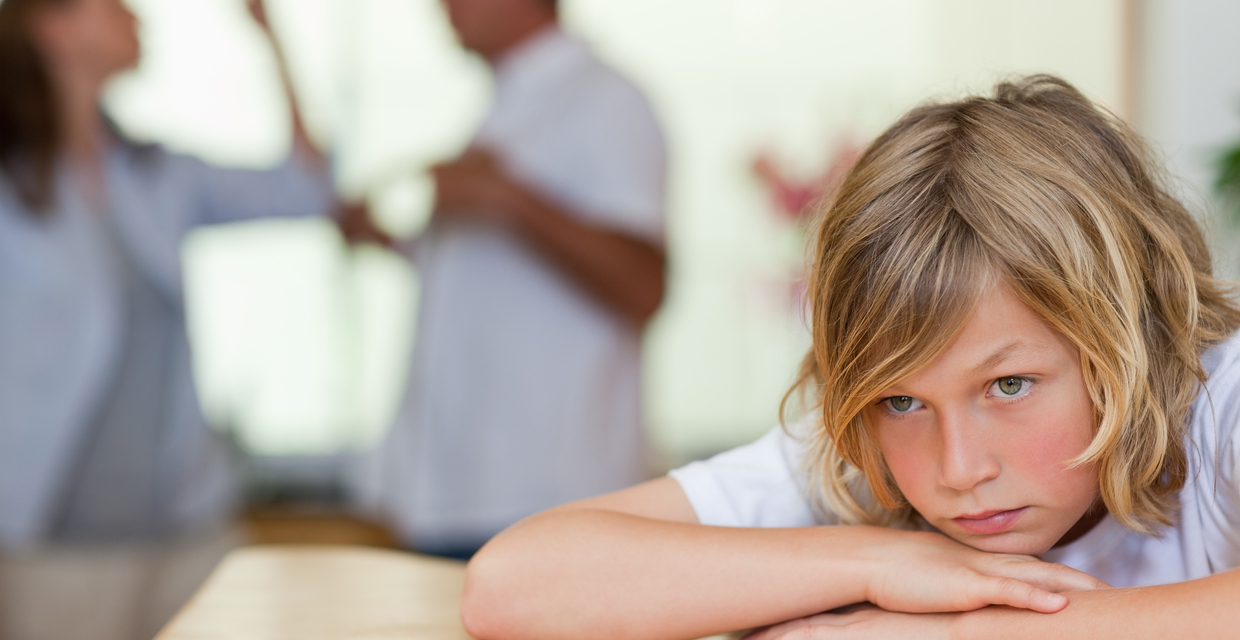
How Domestic Violence Affects Children

Domestic violence is a form of trauma, so when children have to live with it, it is a trauma that sticks with them for the rest of their lives.

Image result

Did you know that NICRO is a non-profit organisation committed to turning lives around? NICRO has a range of programmes that can help children who are affected by violence and are in need of help... click here to find out more, or do your part and donate today!

The effects of domestic violence change parts of their lives, like health, development and wellbeing. But how do we know if children are affected?

- They see violence against their mother / father / carer
- They hear violence happening in another room and feel the need to run or hide
- They have to be careful around the abuser to avoid angry outbursts
- They have to comfort siblings / carers who have been the victim of domestic violence
- They are victimised for taking sides
- They are encouraged to join in and participate in verbal abuse
- They are not cared for properly as their carer is not able to or their mental health does not allow them too
- They are abused too
- They are traumatised and scared of the attacker, even more so by the fact that they have to make contact with them frequently

Image result

Domestic violence can affect children in a number of different ways, here’s how it can affect them...

Development: Because of the constant violence, a child’s development is affected. They may start to act out and even start acting immature, this is often caused by their desire to be at a stage in their lives where they felt safe.

Behaviour: A child affected by domestic violence will act out, show aggression, and become hostile towards people. Just because children show these behaviours does not mean they have a disorder, it means they have been severely traumatised. Drug and alcohol abuse can also become a problem.

Relationships: Children may not spend a lot of time at home, and try find another secure place to be as their home feels unsafe. They will also struggle with being close to people and will push them away.

Emotions: Violence can affect children emotionally and physically. They will feel stressed out, worried, angry, sad, scared and anxious most of the time.

Health: Sickness can be attached to domestic violence. Headaches and stomach aches may become an everyday thing because of the constant yelling and feelings of stress and anxiety. Sleep disturbances, like nightmares and bedwetting can also come up.

Related image

Understanding that domestic violence causes trauma in a young child’s life is the first step to understanding and helping the children affected.

Wednesday, 25 May 2016

The most common form of abuse


The most common form of abuse is emotional abuse. However, it is the type of abuse that we talk about the least. Why do people choose to overlook it? Well, a lot of emotional abuse is considered to be normal in this day and age.

Emotional abuse is not like sexual or physical abuse. It is made up of a lot of incidents and things that happen over a period of time. It is so much more than what you may think - emotional abuse is more than just verbal insults!

Emotional abuse may be abuse in the form of: rejection, threats, criticisms, aggression, ignoring, isolation, teasing and so much more. It can also take place in a number of places, from the comfort of your own home to the workplace and even in a happy relationship.

-- THE EFFECTS OF EMOTIONAL ABUSE

Emotional abuse is not only under-reported, but it’s effects are minimized. The famous childhood verse, “Sticks and stones may break my bones, but names will never hurt me” is simply not true. In fact, many physical and sexual abuse survivors have said that the emotional abuse was often more devastating and had longer-term effects.

Emotional abuse cuts to the core of a person, attacking their very being. Emotional abuse, if frequent enough, is usually internalized by the victim, and leaves them feeling fearful, insignificant, unworthy, untrusting, emotionally needy, undeserving and unlovable, and as if they were bad, deserving of punishment, and to blame.

Survivors of emotional abuse often have a hard time understanding why they feel so bad. The abuse may not sound like much, and often people around them will minimize the experience, telling them it’s not so bad. But a climate of disregard for a person’s feelings, where one is subjected to constant or frequent criticisms, being yelled at, or being ignored – has a deep and profound effect, attacking the very self-image and confidence of a person.

-- IDENTIFYING EMOTIONAL ABUSE

How do you recognize emotional abuse? One thing that can help is to step back from your situation and examine the overall climate in your home or your workplace. Trust your instincts and feelings about people. Sometimes, a person can just look at you and you know that they are looking down at you. Other times, their words are okay but their tone is mean. Emotional abuse is insidious and can be very subtle, so trust your gut; it’s telling you something.

-- NAMING IT

Because it is harder to name emotional abuse as abuse, it can be harder to heal from as well. The first step is to name your experience as abuse. Trust how you feel. Many people can identify the abuse once they know what to look for because they change from being outgoing, self-confident, and care-free to feeling nervous, anxious, and fearful in the company of an emotionally abusive person. Just because you’re feeling those feelings doesn’t mean that you’re being emotionally abused; there could be something else going on. But, those feelings combined with abusive behavior is convincing evidence that you are being abused.

Try describing to other people how this person behaves. Be honest, and listen to the feedback you receive. If you don’t feel good about the feedback, try someone else. Remember that emotional abuse is frequently minimized.

No matter what you’ve been told or how you’ve been treated, you are worthy of love and respect. The more you know this, the less likely you will be to accept disrespectful or abusive behavior towards yourself or others. You should not have to take emotional abuse from anyone – no matter what the excuse. You deserve to be treated well.

NICRO is committed to turning lives around - We encourage all South Africans not to stand back, but become involved either by donating a monthly amount, a once-off donation or look at the NICRO wish list for support in kind for around the country and see how you can assist.

Friday, 22 April 2016

Nathi Mankayi - Life after prison

Nathi Mankayi shares his inspirational story with us about life after prison and how he has decided to commit his life to something else entirely.

Just a few short years ago, Nathi Mankayi found himself in prison. Why? Because he and some of his friends turned to a life of crime and robbed someone. They were then sentenced to eight years in jail, with four years suspended.

On the day that Mankayi finally left jail, he promised himself that he would focus on one thing and one thing only - Music!


Now, the 32-year-old singer is among the most sought-after musicians in the country. His debut album, Buyelekhaya, has gone double platinum and he is among the artists who performed at the first BET Experience Africa festival.

Mankayi admits that he is feeling exhausted. “I’ve been performing so much, I can’t even keep count of the gigs I’m doing or the ones that I’ve been booked for in the next few months.”

But being asked to perform at the BET festival was a career highlight for him.

“Being on stage with some of the biggest names in music is a dream come true for me. It makes me believe that I am really doing a good job in the music industry.” Mankayi says he brought real soul to the festival, which took place on December 12 last year in Johannesburg.

“The key to my success has been the fact that I stay true to the person that I am. I grew up in a small town in the Eastern Cape where humility is very important. This is where a lot of the inspiration for my music comes from.

“So whichever stage I’m on, I want to share my upbringing with the audience and I hope that it evokes positive memories of where they come from as well.” Mankayi has also stood out as one of few South African musicians who sing in their native language, in his case, isiXhosa.

“I don’t think I’m going to be writing a song in English any time soon,” he says with a laugh. “Song writing comes naturally to me and it feels right when it’s in isiXhosa. I feel like if I sat down and forced myself to write a song in English, the song would lose that something special.

“There are also a lot of things that I don’t know about the English language, so I think I’d rather stick to a language that I’m actually sure of. That way I can be as expressive as I want to be.” Mankayi is excited to give back to his community.


NICRO is committed to turning lives around - We encourage all South Africans not to stand back, but become involved either by donating a monthly amount, a once-off donation or look at the NICRO wish list for support in kind for around the country and see how you can assist.