Wednesday, 23 November 2016

Virtual Reality Simulation Shows the Dangers of Drunk Driving

Every year thousands of people die in drunken driving accidents, and thousands more are injured. This short VR video shows exactly what it looks like.

We all know the popular alcohol brands – Guinness, Johnnie Walker and Smirnoff – Well, the creator decided to release a VR video on Facebook 360, Youtube 360, Google Cardboard, Oculus Rift, Samsung Gear VR and the HTC Vive.

Related image

So what happens in the video? There are three cars involved, one with a business woman inside, another with three friends going to a party and the last with new parents. Everything comes to a horrifying end when one driver makes a stupid decision to try pass a car in a no-passing zone.

The drunk driver is faced with an oncoming car and then swerves back into the other lane, hitting another car in the process. You will have to watch the VR video to find out what happens next...

It’s not clear if this simulation relates to everyone and actually works to scare people out of driving drunk, but studies showed that it changed majority of the viewer’s attitude after watching it.

Watch the VR video here...

Don't drink and drive this festive season - stay safe and drive responsibility!

NICRO is committed to turning lives around, contact NICRO today for a variety of programmes and services that aimed to help those in need. Try the Road Offenses Panel Programme designed specifically to improve awareness of the dangers and consequences of driving under the influence, as well as reckless and negligent driving.

Tuesday, 15 November 2016

Changing offender behaviour is key to reducing crime!

A recent Cape Times interview with Tracy Van der Westhuizen, an inmate serving time at Pollsmoor Prison for fraud, highlights the efforts by this female inmate to change her life around. Although she still has some time to go before potential release on parole, she is taking tangible steps towards rehabilitation. Her full rehabilitation can of course only be tested once she is free and facing the temptations that life in open society will bring. But she is well on the road to recovery and regaining her dignity.


South Africa has 242 prisons housing some 160,000 inmates, with an admission rate of approximately 25,000 and a monthly average of 23,000 releases. As Van der Westhuizen highlights, many of those admitted to prison have committed crime before, making support services during and post incarceration crucial.

Re-offending and recidivism are vexed questions – there is no direct research or analysis that gives us a plausible rate of recidivism in South Africa. Anecdotally it is said to be extremely high – with references to as high as 70%. What we do know is that many former prison inmates return to prison as a result of further convictions. NICRO’s experience with reintegration work demonstrates that often imprisonment acts as a ‘revolving door’ or as ‘universities of crime’ and that, notwithstanding the efforts of the Correctional authorities, not all inmates are rehabilitated.

It is for this reason that Tracy’s story is inspiring. Her story indicates that rehabilitation is a multi layered journey – inmates require psychological transformation – focusing on their emotional and cognitive functioning, as well as education and skills training. A different way of thinking, and an opportunity to work, is part of the ‘rehabilitation recipe’.

Tracy’s story also indicates another crucial factor in rehabilitation – and that is the support and love of family…. the confidence and love of her husband and children, and the amazing insight of her young daughter, provides her with the inspiration and incentive to do the difficult work of rehabilitation.

Prison is not an easy life – “it is not for sissies” –one has to develop strong coping skills to survive prison! Ironically these coping skills are the ones that will help you make it in open society.

National non-profit organisation, NICRO, is working successfully with incarcerated and released offenders to change behaviour and reduce the likelihood of recidivism.

NICRO has no doubt that perpetrators can change, and we are working hard to support inmates and released offenders to successfully reintegrate into society and turn away from crime.”

Chief Executive Director Soraya Solomon says “NICRO provides a range of tried and tested behavior change programmes and is facilitating successful social reintegration, which includes working with the offender’s family members. NICRO believes these services are crucial to achieving the goal of turning lives around and reducing recidivism.”

Society can assist in prisoner rehabilitation by supporting the efforts of former inmates to earn a living and become functioning members of their communities.

Wednesday, 9 November 2016

How can you Prevent Sexual Assault?

Every single one of us has the ability to look out for each other. Even the small things count, like giving someone a lift home from a party or standing up to someone who is behaving in a threatening way - anyone can help prevent sexual assault, even you!

What is a bystander?

A person who is present when an event, such as a sexual assault, takes place, but isn't involved is called a bystander. 

On average there are only 42,596 rapes reported in South Africa in 2015/16, which means that for every 100,000 people in the country there were 77 rapes reported. The majority of these crimes are committed by someone the victim knows.

This is why it is so important to realise that bystanders can play a part in preventing crimes like sexual violence.

What can you do to prevent sexual assault?

Have you ever heard of the term "bystander intervention"? This is when someone who isn't directly involved in the situation intervenes and tries to help. If you have the chance to step in and give the victim the chance to escape, do it. It really doesn't take much to make a big difference in someones life.

Choosing to step in can change the way those around you think, even if you are simply trying to help a friend who has had too much alcohol or one who is offended by a sexually offensive joke. 

So, why don't people help more often?

Well, it’s not always easy to step in, even if you know it’s the right thing to do. Some common reasons bystanders remain on the sidelines include:

Image result“I don’t know what to do or what to say.”

“I don’t want to cause a scene.”

“It’s not my business.”

“I don’t want my friend to be mad at me.”

“I’m sure someone else will step in.”

It is alright for you to have these reasons for not stepping in, but it is also important to keep in mind that what you do to help can have a big impact. In most situations you could stop a serious crime, such as sexual assault.

Your actions matter 

Whether or not you were able to change the outcome of the situation, by stepping in you are helping to change the way people think about their roles in preventing sexual violence. If you suspect that someone you know has been sexually assaulted, there are steps you can take to support that person.

Help someone you care about by introducing them to NICRO. At NICRO, they offer a variety of helpful programmes, such as the Perpetrator of Interpersonal Violence Programme and intensive therapy.

Wednesday, 2 November 2016

Violence against Women and Children

It is essential that we join as a nation and find a way to make our homes and communities safe for everyone, most of all - woman and children!

Image result

Physical, sexual, psychological, economical. These are all forms of violence against women. Violence against women violates human rights and essentially has serious results for women and for the community.

Studies show that violence against women and children is still a popular occurance that is often never reported or simply ignored. Victims of the violence are not properly supported by the law or public services. 

Insufficient specialised services for women and children who are victims of violence and the absence of professional services to victims is only a few of the reasons for non-reporting.

What can you do to help?

NICRO has a wide variety of services, including individual counselling, intensive therapy, adult life skills and even a Youth Empowerment Scheme (YES). NICRO is focused on helping others and turning lives around – contact NICRO today!

Thursday, 27 October 2016

The Link between Drugs and Crime

There has always been a link between crime and substance abuse. The crimes can be anything from drunk driving, assault, prostitution and robberies to domestic violence and even rape. The list can go on and on...

Image result

However, sometimes the link between substance abuse and criminal activities can be a difficult one to understand. Is it drugs and alcohol that leads to crime or is it crime that leads to drug and alcohol abuse? Is it possible for someone who is not on drugs to decide to assault someone? Will someone who is not abusing alcohol engage in domestic violence?

Statistics show us that most people who use drugs and alcohol do not become addicts, they usually grow out of this phase and move on with their lives. But, there are cases where individuals who use too much will commit crimes, and it is true that these two factors are linked.

So, why is there such a strong connection between serious drug and alcohol use and criminal activities? It might be because the user has a decreased perception of social support and decreased social network. Other things that influence someone to turn to substance abuse and crime are poor living conditions, mental health, family and unemployment.

Alcohol and Crime

Alcohol is illegal to consume if you are the right age, but it causes so many violent crimes! A recent study showed that 1 in 5 people arrested by the police will test positive for alcohol. Alcohol is a factor in:

-- 60% of homicides
-- 75 % of stabbings
-- 70 % of beatings
-- 50 % of fights and domestic assaults

Image resultDrugs and Crime

Taking illegal drugs is a crime in almost all of the countries around the world, and it is almost always related to criminal activities.

However, a research shows that most drug users do not usually go on to commit crimes such as assault or robbery. Basically, this is saying that drug use is not necessarily linked to crime, even with people who have developed a serious addiction.

But, there is some link between those who do commit crimes and drug use. Assault, rape and violent acts are often linked to someone who is a heavy drug user, a lot of robberies are committed to support drug use!

There is a bit of fuzziness around why some substance abusers commit crimes and others don't. Factors like poverty, personality disorders and having been in prison previously are just some of the factors.

Drug Use and Prostitution
Image resultNaturally, drug use is linked to prostitution, especially street prostitutes. Estimates reveal that between 40 and 85 per cent of all prostitutes are drug users. Many prostitutes, men and women, are selling sex to support their drug habits. Prostitutes are often the victims of violent crimes, rapes, assaults and other serious crimes; but, because of their lifestyle and the work they do, they are unreported crimes. 

There’s no question that the relationship between drug use and crime is a causative one; drug abuse and criminal behaviour go hand-in-hand. 

NICRO is committed to turning lives around. If you fear that a loved one is involved in drugs or crime, do not hesitate to contact NICRO today! 

Wednesday, 19 October 2016

5 Most common drugs used by Teens

It is not uncommon for teens and young adults who use drugs or drink heavily to eventually turn into addicts!

If you or someone you know needs help in fighting drug abuse, there are a number of organisations ready to assist... Do not hesitate to contact NICRO, where a selection of help programmes are on offer, including the Adolescent Substance Abuse Prevention Treatment ADAPT.

Take a look at the 5 most commonly abused drugs by teens...

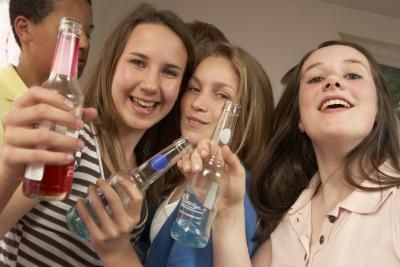
     1.       Alcohol

Image result

Just because you allow your underage kid drink, and you see no harm in it, does not mean it is okay!

There are studies that show that children who start drinking before the age of 15 years are four times more likely to become alcoholics later in life. 

Teens that drink alcohol are more likely to experience...

-- Problems at school; bad grades
-- Fighting with friends and not joining in on activities
-- Running into trouble with the law
-- Illnesses
-- Unsafe sex, sometimes with someone they don't know
-- Disruption of physical and mental growth
-- Physical or sexual assault
-- Self-destructive or suicidal tendencies
-- Reckless, dangerous behaviour that could hurt the people around them
-- Short-term memory problems
-- Brain development issues that can affect them for the rest of their lives
-- Death by alcohol poisoning or accident
-- Traffic accidents and fatalities
-- Use of other drugs - cocaine, marijuana, ecstasy, heroin

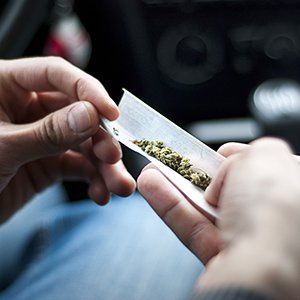
     2.       Marijuana

Image result

Did you know, Marijuana is the most used illegal drug on the planet?

Read these interesting facts about Marijuana and you may think twice about using it...

-- The active ingredient of cannabis is the chemical THC. The chemical THC is found in marijuana, it can stay inside your body for months or even years. It is also know to damage your immune system.
-- Heavy marijuana can cause brain abnormalities and brain damage.
-- Everyone knows that Marijuana can get you high, but it can also do the opposite and make you feel depressed, paranoid, and psychotic.
-- Even small amounts of marijuana can cause infertility in men and women.
-- Marijuana smoke is more likely to cause cancer than regular cigarette smoke.
-- Young people using marijuana are more likely to start using harder drugs. In fact, over 99% of cocaine users used marijuana first.

     3.       Tobacco

Image result

Most teens smoke cigarettes because they think it is "cool." But, how can they be "cool" if they cause cancer, heart disease and can lead to using other drugs.

Here are some interesting facts about Tobacco...

-- Teens who start smoking at a young age are more likely to use other dangerous substances, such as cocaine and marijuana.
-- Over half of the youth who started smoking before age 15 went on to use illicit drugs in their life.
-- The earlier a person starts using tobacco, the more likely it is that they will become an addict later on in life.
-- Those who have become heavy smokers are more likely to use alcohol and then become alcoholics.

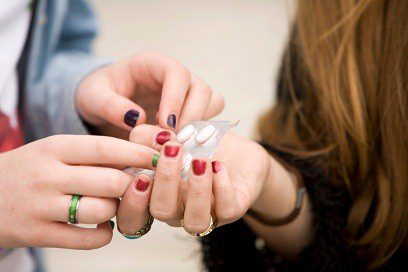
     4.       Prescription Drugs

Image result

Young people continue to think that prescription drugs are safe to use because of the fact that you can get them at the doctor or pharmacy.

In the end, prescription drugs are just as dangerous and come in different strengths and combinations.

According to a recent study, 21% of grade 12 learners have abused...

-- Adderall
-- Ritalin
-- Cough mixture
-- Tranquilizers
-- Amphetamines
-- Painkillers

     5.       Hallucinogens

Image result

It's not the 60s anymore so you may think kids these days aren't looking to trip out. But you would be surprised to know that drugs such as LSD, acid and ecstasy are still very popular.

A teenagers brain is still developing, this is why hallucinogens are so dangerous. They change how young people see the world, develop feelings and opinions and they kill brain cells.

In films and TV series, we see people who take LSD, feel extremely euphoric and happy, with beautiful hallucinations. BUT LSD can also create a "bad trip" which causes feelings of fear, terror and insanity!

The “love drug” (ecstasy) can cause kids to make unwise decisions about sex while under the influence of the drug. It can lead to unprotected sex, to disease (STDs), and to unplanned pregnancy with an unknown partner.

Being honest with teens about the effects and dangers of drugs can help them make the right life choices.

It may seem hard or weird to talk to them about drugs, but kids ten-years-old and younger get offered drugs, and they certainly see drug use on TV, in movies, and on the internet.

Wednesday, 5 October 2016

South Africa's Top Drugs

Drugs may bring joy and euphoria for a free fours, but what happens after can be compared to a living hell. It can happen as quick as a flash, but it will ruin the rest of your life.

A recent study showed that about 15% of South Africans suffer from drug abuse. Even though people in SA are using the same drugs as people across the world, there are a few substances that are a bit more popular than others...

MARIJUANA

Image result

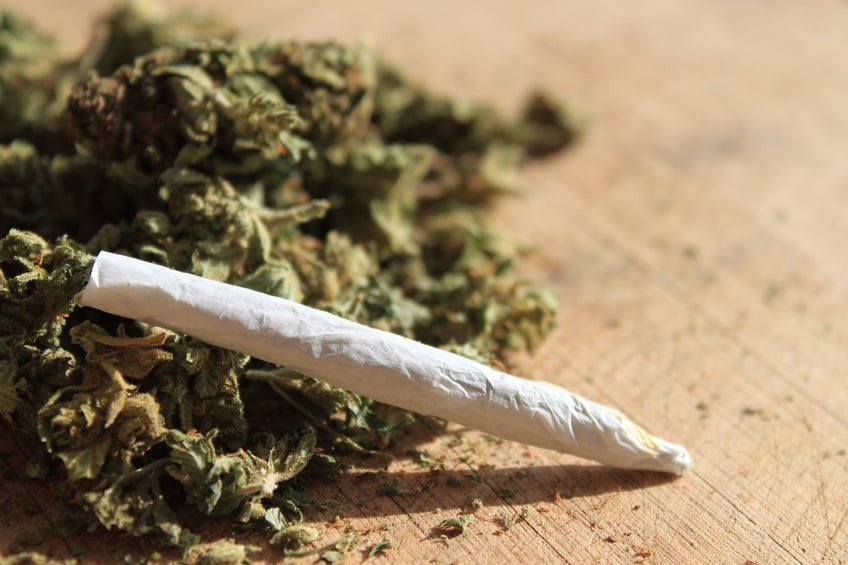
This is by far the most used drug on SA’s streets. It is a shock to many that it totals over 60% of cases involving drug abuse. Marijuana is still illegal in South Africa, but some health experts have tried to legalize it for medicinal use.

Street names: Dagga, weed, pot, boom, ganja
What does it look like? Leaves that are dried and sold in bags, often called “bankies”. Some dealers sell ready-made joints of marijuana which are ready to smoke.
Effects: The effects are different to every person, but in most cases it causes the user to feel extremely relaxed, often leading to laziness and extreme hunger. Depending on the strength of the marijuana, some users also experience mild hallucinations.
Long-term results: Changes in personality, moodiness, difficulty concentrating and possible damage to the brain and lungs.

MANDRAX

Image result

SA is actually the largest abuser of Mandrax (known as Quaalude) in the world. According to a recent study, a mix of Madrax and marijuana is the ideal drug of choice in SA.

Street names: White pipe, buttons, MX
What does it look like? It is sold in pill or tablet form and usually has a unique emblem. It also varies in colour.
Effects: It is often mixed with marijuana to amplify the effects of smoking marijuana.
Long-term results: Poor liver function, anaemia, chronic headaches, depression and insomnia.

NYAOPE

Image result

This drug has been popular on the streets since the year 2000. No one really knows what it contains, but most times it includes cannabis, meth and heroin. 

Street names: Whoonga, wunga
What does it look like? It is bought in powder form, mixed with marijuana and smoked.
Effects: Short term effects of euphoria and relaxation.
Long-term results: Insomnia, scarred veins, liver and kidney disease and mental breaks.

CODEINE

Image result

Codeine is an ingredient found in cough mixtures, sinus medication and painkillers. Most blame the abuse of codeine on the fact that SA still sells codeine based products without any prescription.

Street names: Syrup, purple drank, cody, sizzurp, lean
What does it look like? Cough syrup, anti-allergy, sinus tablets and certain painkillers.
Effects: Codeine usually causes euphoria.
Long-term results: blurry vision, nausea, insomnia and joint pain.

COCAINE

Image result

Originally used as a painkiller, cocaine has become a highly addictive recreational substance.

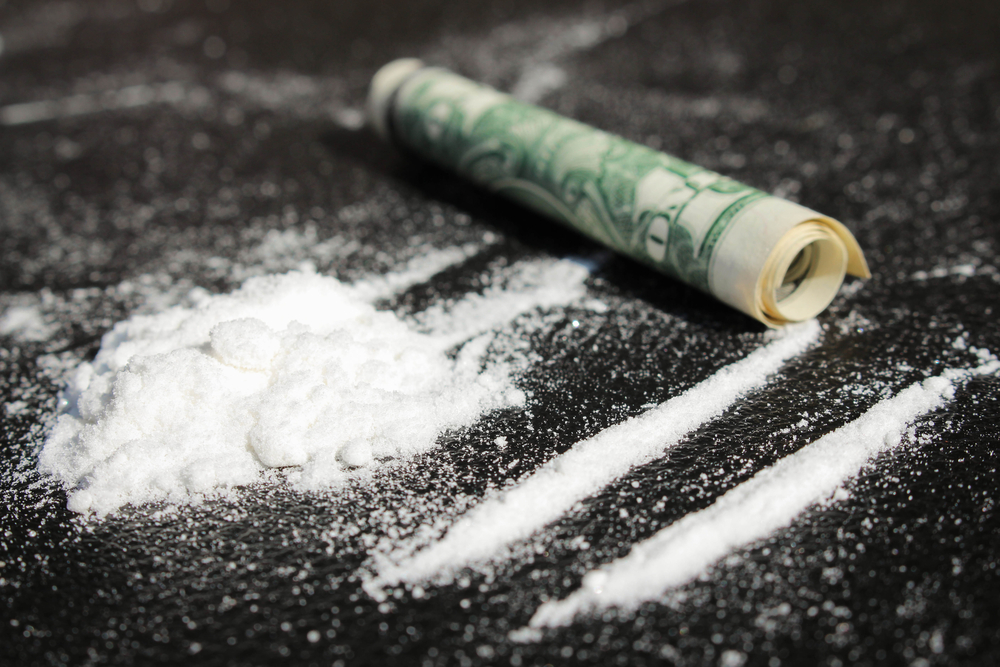
Street names: Coke, crack, C, snow, blow, bump, Charlie, line, Llelo
What does it look like?  Powder form and crystal form. The powder is snorted and the crystal is smoked.
Effects: The effects happen instantly, but only last a short period of time. They range from euphoria, high energy, alertness and self-confidence. However negative effects include aggression, headaches and insomnia.
Long-term results: Loss of sense of smell, nosebleeds, difficulty swallowing, deviated septum, dramatic weight loss and loss of appetite.

AMPHETAMINES

Image result

Also known as “uppers” amphetamines speed up the messages travelling between the brain and the body. A dangerous, addictive form of amphetamines is Crystal Meth.

Street names: Ice, tik, speed, crystal
What does it look like? The appearance is difference depending on the quality of the drug. It will often look milky or yellow if it is low quality. Sometimes they are also sold as tablets.
Effects: Happiness, confidence, non-stop talking and increased heart rate.
Long-term results: Psychosis including paranoia, hallucinations, memory loss, mood disorders, aggression and impaired motor skills.

ECSTASY

Image result

Although people rarely overdose on ecstasy or the pure form of it (MDMA), there has been incidents of contaminated pills making there way onto the market. These tablets can contain dangerous substances like rat poison or even cyanide!

Street names: Molly, love drug, Adam, Eve, beans, XTC
What does it look like? It is usually sold in tablet form with a unique picture engraved on each tablet. They also come in multiple colours.
Effects: Increased heart rate, jaw clenching, dry mouth, loss of appetite, high energy. Because Ecstasy makes your energy levels sky rocket, users often suffer from overheating and exhaustion.
Long-term effects: Brain damage, learning and emotion, depression, anxiety, kidney failure, convulsions and psychosis.

HEROIN


In the 1980s, heroin was an unknown drug in South Africa. However, it quickly gained popularity in SA's schools and rapidly infiltrated the system.

Street names: Smack, H, junk, hairy, harry, white
What does it look like? Powder form or as a liquid.
Effects: The effects of the drug are often unpredictable, which is why it often leads to overdoses. The user will experience intense relaxation and a trance-like state.
Long-term results: The drug relaxes the muscles, so in many cases it leads to the users heart stopping.

If you or someone you know needs help in fighting drug abuse, there are a number of organisations ready to assist... Do not hesitate to contact NICRO, where a number of programmes are on offer, including the Adolescent Substance Abuse Prevention Treatment ADAPT.