Showing posts with label NICRO non-profit organisation. Show all posts

Thursday, 15 December 2016

Spotting the Signs of Depression

Feeling sad sometimes is a normal part of life, but most people get over these feelings in a few days or weeks. However if these symptoms won’t go away this is called depression.
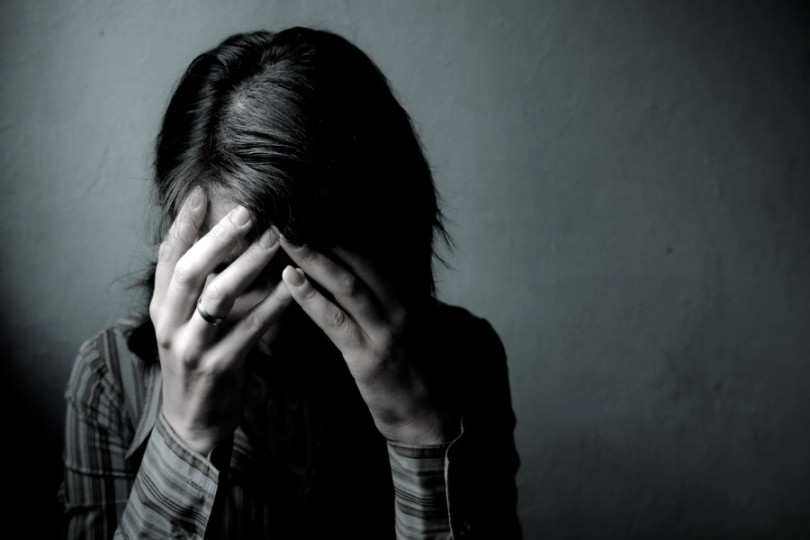
Related image

The feelings of depression often feel like a black hole of sadness that just cannot be escaped. People who have serious depression may have some or all of these symptoms:

Sadness. A feeling of hopelessness and emptiness that will not go away, no matter how hard you try. You may find yourself crying for no reason.

Guilt. People who suffer from serious depression often feel worthless and helpless. They might put themselves down because they see depression as a sign of weakness.

Irritability. Males who suffer from depression show their feelings through aggression, anger and reckless actions.

Mental Symptoms. Depression may make you feel like you’ve slowed down, because you have problems concentrating, remembering things and making decisions.

Physical Symptoms. If you have aches, pains, headaches and even digestive problems this could be the result of depression, especially if these health issues do not have any medical cause.

Loss of Energy. Depression often makes you feel apathetic, limp and tired all the time.

Loss of Interest. A common sign of depression is when you lose interest in activities you once enjoyed such as hobbies, socialising and even romantic partnerships.

Sleep Changes. Waking up too early, too late or not being able to sleep can all be symptoms of serious depression.

Appetite Changes. If you lose or gain more than 5% of your body weight in as little as a month, this is a warning sign of depression. Most people turn to food when they are depressed and will either eat too much or too little.

Suicidal Thoughts. Having thoughts of harming yourself is a serious symptom of depression and always needs to be taken seriously. If you’re thinking about suicide, you need to get help immediately.

Image result for depression


Depression shouldn’t make you feel shame or weakness, it is a serious issue that can be helped. NICRO is a non-profit organization committed to turning lives around – contact NICRO today and get help!

Monday, 11 July 2016

Stop Your Addiction to Stealing by Identifying the Problem

Some people steal once or twice in their lives, while others can't stop themselves from stealing things on a regular basis. It seems that in today's society, stealing has become a regular thing.

Some people steal because they do not have money to buy things themselves, but others are addicted and love the thrill! Stealing leads to serious punishment, such as being thrown in jail and ending up with a criminal record. 


Stealing is still not thought of as an addiction, however when you think about it Kleptomania is a control disorder that may leave you feeling guilty. So, stealing should infact be identified as an addiction.

If you want to deal with the problem of stealing, you first have to identify the problem, look for help, change your thoughts and educate yourself.

1. Understand that you deserve help. It is important to know that you are worthy because many individuals with guilt (including shame about stealing) may not believe that they deserve help. This often prevents them from seeking assistance. You do deserve help and understanding, and you are not alone. NICRO is a non-profit organization that is committed to turning lives around – contact NICRO today and we can help you!

2. Define your stealing behaviours. It is important to first identify the specific reasons why you steal in order to begin to change this behaviour.
  •  Do you steal for an emotional high? Do you feel initial tension, then a thrill of excitement that builds up prior to the theft and relief after it's done? Is this then followed by feeling guilt, shame and remorse? These are some signs that stealing may be a problem for you.
  •  Do you steal to escape? When stealing, do you feel different, as if you're not yourself or you're not in touch with reality? This is a fairly common state of feeling for individuals who steal.

3. Write out your feelings. After you've discovered what drives your stealing behaviours, try free writing about your need to steal. Don't censor your feelings – everything you think about or feel is important to note.

Be sure to name the feelings, such as anger, fear, sadness, loneliness, being creeped out, exposed, vulnerable, etc. that accompany the need to steal.

4. Determine the consequences. Thinking about the consequences of your behaviours can help to reduce impulsivity. If you have been nearly caught, or have been caught (or caught several times), write all of this down. Also write down your own subsequent feelings, such as shame and guilt, and the actions you use to try to cope with these feelings or remorse or disgust, such as drinking too much, destroying the things you've stolen, or other destructive actions.


If you have been caught, how strong were the accompanying feelings? Why do you feel that even being caught isn't enough to overcome the need to steal? Write it all down.

Tuesday, 21 June 2016

Going Clubbing? Here's How to Stay Safe

Clubbing is a great way to have fun and let loose with your friends. But it is important to remember that it can also be dangerous.


You may think that those who take safety precautions when they're out clubbing are lame or uncool, but clubbing just isn't the same as it used to be, and it's always better to be safe than sorry! With all the drugs today, it is easy to get spiked and taken advantage of.

Remember there is safety in numbers. Always go out with a group of friends, especially if you are female. Make sure to regularly check in with your friends to ensure they are okay. Try to organise a meeting point at the end of the night and never ever leave alone!

Always watch your drinks. Even if you look away for a few minutes, this gives someone ample time to drop something in your drink. Try to drink out of a bottle or always hold your drink in front of you. If you start to feel weird and abnormal, get someone to take you home or to the hospital immediately.

Drink water too! Drinking water is important, especially if you have been drinking alcohol the whole night. Try to drink a glass of water in between each glass of alcohol you drink.

Pack light. Leave your valuables and important items at home. It is best to just pack your cell phone, ID, debit card and cash—but not a large amount of cash.

Know how you’re getting home. Don't wait until the last minute to find out how you are getting home. Have a taxi number ready, or make sure you have a sober ride home. Never accept rides from strangers!


All said, do not be afraid to go clubbing! Some organizations will have you believe that clubbing is unsafe, but it only is if you’re unprepared. By following the simple steps outlined above and employing a little common sense you’ll have a blast, meet tons of great people looking to have fun and, of course, have the opportunity to listen to great dance music.

NICRO is a non-profit organization that is committed to turning lives around. if you feel a friend or a loved one is abusing alcohol, clubbing constantly or delving in dangerous activities (like drugs), don't hesitate to contact NICRO right away!

Tuesday, 31 May 2016

What causes a child to be violent at school?

School violence is a terrible issue for schools these days. Children are getting violent and disturbing other children who are coming to schools, as well as the teachers and staff. Children are bringing weapons like knives and guns to school and are harming students, teachers and other people. But what is the reason behind such things?


  • Atmosphere at home - if the children are living in an unpleasant environment then they tend to turn to violence. If they see that their parents are fighting and beating each other then they will learn to do the same.

  • Weapons - In this day and age, weapons are easier to get a hold of than you think. They may buy these weapons through such means and use them in school.
  • Bullying - A child can be bullied to such a point where they have to turn to violence as the only means to stop it. This is where help from a loved one or a non-profit organisation, such as NICRO, can help a lot.
  • Media effect - TV and games show a variety of violent acts. A child may watch these things and decide to practice them in real life.
  • Group effect - Children tend to become violent if they are the part of the group in which all members are violent. If their friends are violent and showing violence in school then they will learn the same thing and they will also express violence in school.
  • Lack of counseling - If a child is not given proper counseling and proper love and affection then the chances of becoming violent are more.
  • No guidance in difficulties - If no guidance has been provided by either a family member or a teacher at school, the difficulties they are dealing with may then lead them to become violent. They are unable to solve problems on their own and this can lead to unnecessary violence. 

There are people who can help, like NICRO, who offer a variety of different programmes and services to those in need. Do your part, contact NICRO, it is the matter of child’s future and you should choose the best for children.

Friday, 20 May 2016

Life After 44 Years in Prison

After being in prison for 44 years, the world can be an overwhelming place. To Otis Johnson, there was a vast amount of people walking fast, staring at their mobile devices and not paying attention to the world around them.

This can be a confusing time for someone who has been in prison since 1975. Johnson feels that he has entered a frightening society where everyone is a secret agent, watching people and wearing wires. We don't blame him, the tech era completely passed him by when he has in prison.


The 44 year sentence began when Johnson was arrested for the attempted murder of a police man. He entered jail when he was just 25 years old and by the time he came out in August 2014 he was 69.

Johnson was meant to be released earlier, but he ended up serving an extra eight months at the age of 69 for a juvenile shoplifting charge he received when he was 17!

The initiatives to reduce the sentences for drug offenders and nonviolent crimes are under way, but it seems like the old people in prison also need a legislation reform.

From 1999 to 2014, the amount of prisoners aged from 55 and older went up by 250%, while those younger than 55 grew by only 8%. It seems that the number of elderly prisoners is growing over the years.

After drug offenders are qualified for early release, elderly prisoners could be next to be reintroduced into the world.

But, just think about the problems and obstacles that former inmates will face after spending most of their lives locked up. They will face things such as mental health issues and side effects.

“Prison decides when lights go on and when they go off,” Marieke Liem, a researcher at Harvard Kennedy School, said “Every moment of the day is scheduled. When you have been in the prison system the majority of your life, how can you be expected to function as a member of society? And make a plan?”

Upon release from prison, Johnson was handed an ID, documents outlining his criminal case history, $40 and two bus tickets. Having lost all family connections while serving his sentence, Johnson now relies on a nonprofit that provides housing and services to ex-prisoners in Harlem. NICRO is a nonprofit organisation in South Africa that provides a number of rehabilitation services, prison programmes and so much more. Do your part and contact NICRO to get help, or make a donation today!

Each day, he navigates the world as best as he can. He involves himself with a local mosque. He practices tai chi and meditates. He attempts to pursue his dream of opening up a shelter for women, though with his lack of credit history securing the funds for such a project has proven close to impossible. He walks the streets of New York, observing people around him. He returns to his nonprofit housing at 9pm each night, heeding his curfew.

With the current focus on reform, Johnson hopes that re-entry for ex-prisoners, including those having served for decades, will be streamlined to effectively address their needs. Whether freedom can prove liberating, rather than overwhelming, for those convicts who have grayed behind bars, remains to be seen.

Wednesday, 18 May 2016

What Happens when a Baby is Born in Jail?


Even though a large section of women in US prisons are mothers, we still do not have a policy to say what should happen to their babies born behind bars!

Where are these babies going? Yes, in the 1950s nurseries in prison where an everyday thing, but what happened after the prison population sky-rocketed? Studies show that the number of women in prison quadrupled, which means that prisons could no longer afford to accommodate raising a baby in jail.

It is no surprise that most mothers in prison had to give up their baby or place the kids with relatives.

Recent studies show that in order to create a mother-baby bond, the first two years of the child's life are extremely important. Children that do not experience this are more likely to act up and show bad behaviour later on in life. Another factor is that women who are allowed to raise their children are less likely to return to a life of crime.

NICRO is a non-profit organisation which offers a range of different services – crime prevention, diversion, non-custodial sentencing, offender reintegration. If you or a loved one is ever in need, do not hesitate to contact NICRO right away!

All across the world, it is agreed that a baby's place is at their mother's side. In Sweden, babies can be accommodated for up to a year (the average stay is three months). In most European countries, mothers are allowed to keep their infants through weaning. Prisons in India are required to offer nurseries and day care for mothers and their children. In Chile, jail-born children begin taking state-run educational programs at six months of age. In Mexico, children are required to stay with their mothers until they’re 6 years old, and have the freedom to leave on weekends and holidays.

For those who are angered by just thinking about babies being raised in prison, Germany represents a common sense compromise. There, qualified mothers are allowed to leave prison every morning to see their children off to school, spending the day doing housework and preparing meals for their children. At the end of the day, the women return to the jail to sleep. Their waking hours are spent fostering a stable, nurturing environment for the next generation, one that won’t have to remember a childhood spent behind bars.

Obviously, jail is not the perfect place to raise a child. However if you separate a mother from their child, this can be cruel and damaging to both mother and child.